Healthy eating when trying to lose weight
If you want to lose weight, one of the first things you can do is look at what you're eating and drinking. But it can be hard to know what to change.
There is no single perfect way to lose weight. What matters most is finding a way of eating that helps you reduce calories, stay healthy and fits into your everyday life.
This page will help you build healthier eating and drinking habits you can keep doing.
How to eat healthier meals and snacks
Knowing what to eat and drink when you're trying to lose weight can feel confusing. These simple tips can help you make healthier choices that are more balanced, filling and easier to stick to.
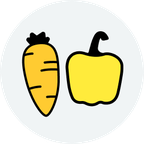
Vegetables: aim for 2 portions
Try to include 2 or more portions of veg in your main meal. That means filling about half of your plate with veg. Most vegetables are high in fibre and vitamins, low in calories, and can help you feel fuller for longer.
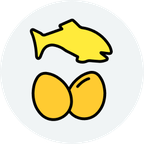
Protein: prioritise it
Try to include some protein in each meal, like beans, pulses, fish, eggs or lean meat. This can help you feel full for longer. Cut off fat and skin from meat and eat less red and processed meat, like ham, bacon and sausages.
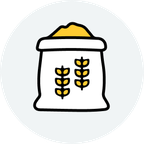
Starch: eat wholegrain
Try to keep starchy food like potatoes, bread, rice and pasta to no more than a third of what you eat each day. Choose wholegrain versions when you can.
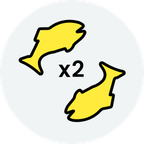
Fish: aim for 2 portions a week
If you eat fish, try to have 2 portions a week. At least 1 portion should be oily fish like salmon, sardines, trout, mackerel or herring. The NHS Fish and shellfish page has more information.
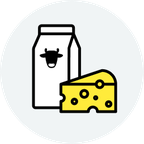
Dairy: choose low fat, low sugar
Choose lower fat milk and cheese, and lower fat, lower sugar yoghurts. For example, semi skimmed, skimmed or 1% milk, reduced fat cheese, or plain low fat yoghurt.
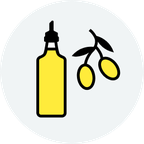
Oils and spreads: small amounts
All oils and spreads are high in calories, so it is best to have them in small amounts. Choose oils like olive, sunflower or rapeseed oil, and lower fat spreads where you can.
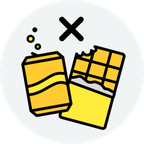
Sugary drinks and snacks: avoid them
Things like chocolate, cakes, biscuits and sugary soft drinks are not needed in our diet, so should be eaten less often and in smaller amounts. If you're craving something sweet, try some healthy food swaps on the Healthier Families website.
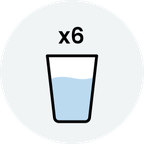
Water: stay hydrated
Try to drink 6 to 8 cups of fluid a day to stay hydrated. Water, lower fat milk, tea, coffee, and sugar free drinks all count.
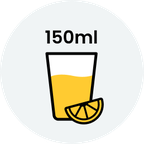
Fruit juice: limit your intake
Even though fruit and veg are important, fruit juice and smoothies should be limited to a combined total of 150ml a day. This is because they contain a lot of sugar and do not fill you up in the same way as whole fruit.
Alcohol: cut down
Alcohol can be high in calories, so it can make it harder to lose weight. It can also make you feel hungrier or lead to food choices you would not usually make. Cutting down can support your weight loss goals.
Recipes under 600 calories (kcal)
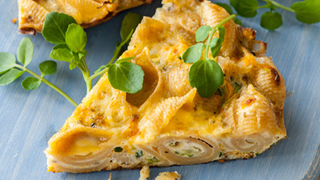
Now you know how to make healthy choices, you can use these tips with our recipes. We have more than 100 quick and delicious recipes to help make deciding what to eat feel less stressful. Every recipe has less than 600 calories per portion.
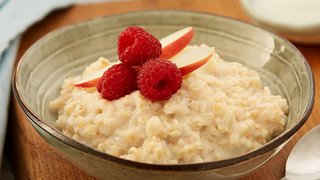
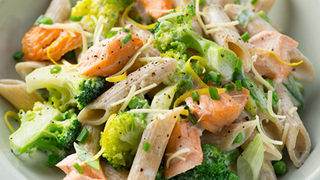
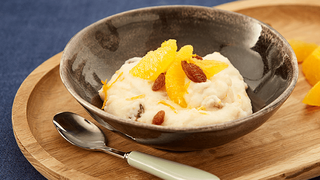
Eat the right portion size
Large portions make it easier to eat more than we need. These simple tips can help you manage your portion sizes so you don't eat too much.
Use smaller plates and bowls
Try using smaller plates and bowls at mealtimes. This can help you serve yourself less food.
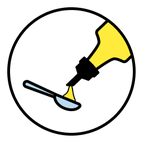
Measure fats and oils
When cooking, measure things like oil, butter and ghee with a teaspoon. This can help you use less.
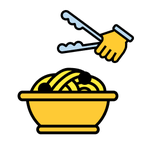
Serve yourself once
Notice how much you serve yourself. If you are eating with others, put your portion on your plate and try not to go back for more.
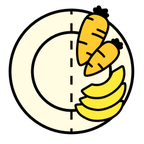
Fill half your plate with vegetables
Try to include at least 2 portions of veg with your main meal. This can help you feel full and leave less room for foods that are higher in calories.
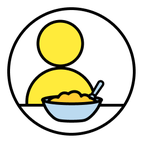
Focus on your meal
Turn off the TV and try to avoid other distractions while you eat. This can help you notice when you are full, so you don't eat too much.
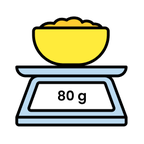
Weigh some foods
Use kitchen scales to weigh foods before you cook them. Pasta and rice expand as they cook, so weighing them first will help you keep to portion sizes.
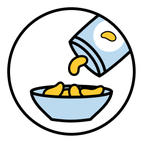
Put snacks into a bowl or onto a plate
Do not eat straight from the packet. Put them into a bowl, so you can see how much you are having.
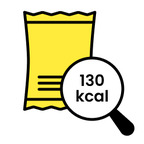
Watch your calories
How much you eat matters as well as what you eat. If you regularly have more calories than your body needs, even from healthy foods, you can gain weight. Read our guide to understanding calories and weight loss.
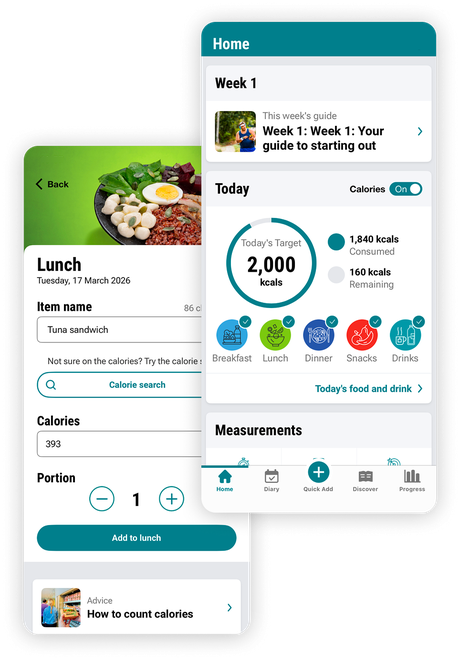
Try the free NHS Weight Loss Plan app
Want help to lose weight and build healthier habits?
The free NHS Weight Loss Plan app gives you advice and support for 12 weeks.
With the app, you can:
- set a weight loss goal
- track your food and drinks
- get a daily calorie target
More than 4 million people have downloaded the NHS Weight Loss Plan app. Join them today.


Personalised advice
We cannot give health advice to every person individually.
Before you make changes to your lifestyle to lose weight, talk to a GP or a healthcare professional if you have:
- a medical condition
- a special diet for your health
- an eating disorder (or have had one in the past)
If you need more information or support with eating disorders, the charity Beat Eating Disorders has lots of help for adults and children.
More support to help you feel healthier

How to be more active
Being active may not help you lose weight on its own, but it is still important for your health. Find simple ways to move more each day, with tips to help you keep going and free exercise videos to get you started.