Symptoms of meningitis
The symptoms of meningitis develop suddenly and can include:
- a high temperature (fever)
- very cold hands and feet
- a stiff neck
- joint and muscle pain
- a severe headache that is getting worse
- eye pain when looking at bright lights
- seizures (fits)
- vomiting (being sick) and diarrhoea
- confusion
- being very sleepy or difficult to wake
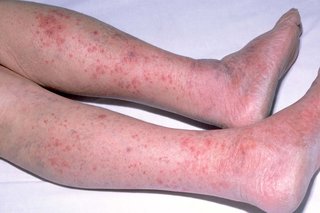
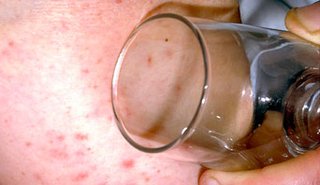
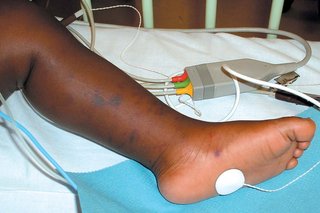
- spots or a rash that does not fade when pressed with a glass (this may be harder to see on brown or black skin)
Babies and children under 5 years may also:
- not want to feed
- have a high-pitched, unusual cry
- have a stiff body or be floppy or unresponsive
- have a bulging soft spot on the top of their head
Some of the early symptoms of meningitis can be similar to flu, a stomach bug or a hangover.
Examples of the meningitis rash
Not everyone with meningitis gets spots or a rash, but it's important to know what to look for.
When and where to get medical help
You need to get medical help immediately if you think you or your child might have meningitis.
Immediate action required: Call 999 or go to A&E if:
An adult or child aged 5 years or over:
- has a very high or very low temperature, feels hot or cold to the touch, or is shivery
- has a very painful headache
- is confused, has slurred speech, or is not making sense
- has a stiff neck and cannot look at bright lights
- has a rash that does not fade when you press it
- has a seizure (fit) for the first time
- has symptoms you're worried might be meningitis
A baby or child under 5 years:
- has a very high temperature – 38C or more in babies under 3 months old, or 39C or more in babies 3 to 6 months old
- has a very low temperature – less than 36C, or feels cold to the touch or is shivery
- has a weak, high-pitched or continuous cry
- has a rash that does not fade when you press it
- is not responding like they normally do, is not feeding, or is floppy, difficult to wake or more sleepy than usual
- has symptoms you're worried might be meningitis
Do not drive yourself to A&E.
The person you speak to at 999 will give you advice about what to do.
Important: Trust your instincts
A child or adult with meningitis might not have every symptom listed. Get immediate medical help if you or your child are unwell and you think there's something seriously wrong.
Causes of meningitis
Meningitis can be caused by many different types of viruses or bacteria, which are spread through close contact with a person who has them. For example:
- contact with the person's spit, such as kissing them, or sharing drinks or vapes
- being in close contact with the person for a lot of time, such as living in the same home
The infection is usually spread by people who carry these viruses or bacteria but are not ill themselves.
Although anyone can get it, meningitis is more common in:
- babies and young children
- teenagers and young adults
- older people
- people with a weakened immune system – for example, people with HIV or having chemotherapy
It's possible to get meningitis more than once.
How to reduce your risk of meningitis
Vaccines are one of the safest and most effective ways to protect you and your child against meningitis.
As part of the NHS vaccination schedule, children and teenagers are offered vaccines that protect against the main causes of meningitis, such as the MenB, MenACWY, pneumococcal, 6-in-1 and MMRV vaccines.
MenB vaccine for young people
From 20 July 2026, the MenB vaccine will be offered to:
- teenagers aged 17 or 18 who are born between 1 September 2007 and 31 August 2008
- young people aged 24 or under who are starting university or some types of residential further education for the first time
You'll be able to book an appointment online or go to a walk-in vaccination site and get vaccinated without an appointment.
Check if your vaccines are up to date
If you're not sure whether your or your child's vaccinations are up to date you can:
- use the NHS App to view your vaccinations history
- ask at your GP surgery
Treatments for meningitis
The treatment for meningitis depends on whether it's caused by a bacterial or viral infection. You'll need some tests in hospital to find out what's causing it.
Viral meningitis tends to get better on its own within 7 to 10 days. It can often be treated at home with plenty of rest, painkillers and anti-sickness medicine.
Bacterial meningitis needs to be treated in hospital, usually for at least a week. Treatments may include:
- antibiotics given directly into a vein
- fluids given directly into a vein
- oxygen through a face mask
Recovering from meningitis
Viral meningitis does not usually cause any long-term problems and most people make a full recovery.
Bacterial meningitis is rarer but more serious. It may cause long-term problems such as:
- hearing or vision loss
- seizures (fits)
- problems with movement and co-ordination
- problems with memory and concentration
Bacterial meningitis can be fatal.
Help and support for meningitis
If you or your child have had meningitis, you may find it useful to get in touch with organisations who can provide further support and advice.
Meningitis Now
A charity providing information and support services for anyone affected by meningitis.
- Website: www.meningitisnow.org
- Helpline: 0808 80 10 388
- Meningitis Now: get support
The Meningitis Research Foundation
A charity providing information and support services for anyone affected by meningitis.