Common causes of swollen ankles, feet and legs
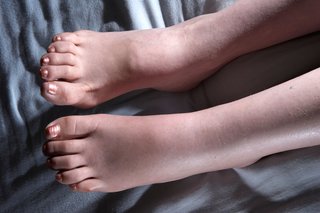
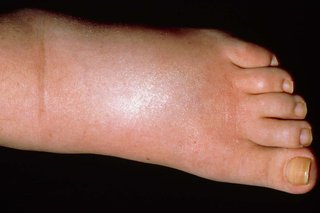
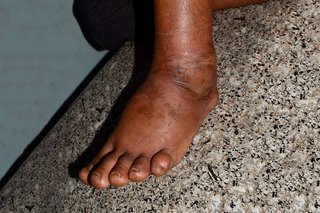
Swelling in the ankles, feet and legs is often caused by a build-up of fluid in these areas, called oedema.
Oedema is usually caused by:
- standing or sitting in the same position for too long
- eating too much salty food
- being overweight
- being pregnant
- taking certain medicines – such as some blood pressure medicines, contraceptive pills, hormone therapy, antidepressants or steroids
- varicose veins
- thyroid problems
Oedema can also be caused by:
- an injury – such as a strain or sprain
- an insect bite or sting
- problems with your kidneys, liver or heart
- a blood clot
- an infection
Symptoms of oedema
Symptoms of oedema in the ankles, feet and legs can affect 1 or both legs and may include:
Non-urgent advice: See a GP if:
Both of your ankles, feet or legs are swollen and:
- it has not improved after treating it at home for a few days
- it gets worse
- you have been diagnosed with a condition that affects your heart, kidneys or leg veins
Urgent advice: Ask for an urgent GP appointment or get help from NHS 111 if:
- you have swelling in 1 ankle, foot or leg and you don't know what's causing it
- you have a lot of swelling following an injury or the swelling is getting worse
- the swelling is severe, painful or starts very suddenly
- you also have swelling in other areas of your body such as your face or tummy
- the swollen area is red or feels hot to the touch
- your temperature is very high, or you feel hot, cold or shivery
- you have diabetes and your feet, ankles or legs are swollen
You can call 111 or get help from 111 online.
Immediate action required: Call 999 if:
- you feel short of breath or are struggling to breathe
- your chest feels tight, heavy or painful
- you're coughing up blood
- your heartbeat is more noticeable (palpitations)
- you're feeling lightheaded, faint, confused, sick or clammy
You could have a blood clot in your lungs, which needs immediate treatment in hospital.
Do not drive yourself to A&E.
The person you speak to at 999 will give you advice about what to do.
Things that may ease swelling
Swelling in your ankles, feet or legs should go away on its own, but there are some things you can try to help.
Do
-
raise your legs or the swollen area on a chair or pillows when you can
-
get some gentle exercise, like walking, to improve your blood flow
-
wear wide, comfortable shoes with a low heel and soft sole
-
wash, dry and moisturise your feet to avoid infections
Don’t
-
do not stand or sit for long periods of time
-
do not wear clothes, socks or shoes that are too tight
Treatment for swelling and oedema
Treatment for swelling or oedema that does not go away on its own will depend on the cause. Your GP can help you with the right treatment.
Speak to your GP about whether making lifestyle changes could help.
Page last reviewed: 26 February 2026
Next review due: 26 February 2029