Why a peak flow test is done
A peak flow test can tell you how well you can breathe air out of your lungs.
Peak flow tests are mainly used to help diagnose and check asthma.
You might have a peak flow test, along with other tests, if you:
- have symptoms of asthma
- are having an asthma check-up
- are taking medicines for asthma (to check how well they’re working)
- are showing signs of an asthma attack (to check how serious it is)
- are being monitored after having an asthma attack
They may also be used to check for other conditions that affect your breathing, such as:
Sometimes you may be asked to do regular peak flow tests at home to help monitor your condition.
What happens during a peak flow test
A peak flow test may be done at your GP surgery, or you may be asked to do it yourself at home.
If you’re asked to do the test at home, you’ll be given a peak flow meter on prescription or advised to buy one from a pharmacy. A doctor or pharmacist will tell you how to do the test correctly.
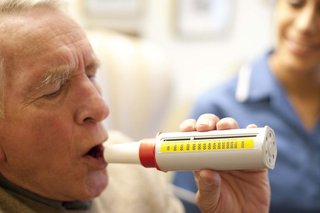
During the peak flow test, you blow into a tube called a peak flow meter. The main steps are:
- Sit or stand in a comfortable position.
- Check that the pointer on the side of the peak flow meter is on the first line of the scale nearest the mouthpiece.
- Hold the peak flow meter flat and make sure your fingers are not in the way of the pointer.
- Breathe in as deeply as you can and put your lips tightly around the mouthpiece.
- Blow into the tube as hard and as fast as you can.
- Record the number where the pointer has stopped and then reset the pointer.
Do this 3 times in total. The highest reading out of the 3 is your peak flow score.
If you're checking your peak flow for asthma at home, you may want to download a peak flow diary from Asthma + Lung UK to help you keep a record of your scores.
What your peak flow test result means
If a doctor or nurse is checking your peak flow, they’ll be able to tell you whether your score is high or low and what it might mean for you.
If you get a low score, it could be a sign that your airways are narrow, which can cause breathing problems. You may need further tests or a follow-up appointment.
Peak flow scores are different for everyone and will depend on factors such as your age, height, sex and time of day.
If you’re monitoring your score at home, it’s important to note what scores are normal for you. If your score is lower than usual, tell your nurse or GP.
Page last reviewed: 03 March 2026
Next review due: 03 March 2029