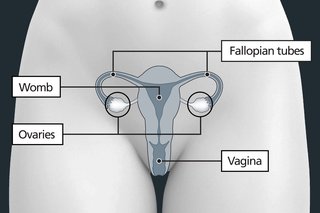
Fibroids mainly affect women who have not been through the menopause. Anyone with a womb can get them.
Symptoms of fibroids
Fibroids do not always cause symptoms, so you may not know you have them. If you do have symptoms, they may include:
- heavy periods or painful periods
- stomach pain
- lower back pain
- peeing more often than usual, needing to pee suddenly or not being able to control when you pee
- problems pooing, such as bloating, not being able to poo or pain when you poo
- pain or discomfort during sex
- difficulty getting pregnant
These are not all the symptoms fibroids can cause. Talk to a doctor if you are worried.
Non-urgent advice: See a GP if:
- you have symptoms of fibroids
- your symptoms are affecting your everyday life, work and relationships
- painkillers are not helping
How fibroids are diagnosed
If you have symptoms of fibroids, your GP may ask about your symptoms and give you a physical examination. This may include checking your tummy (abdomen) and pelvic area, and an internal vaginal exam.
If they think you might have fibroids, they'll usually refer you to a specialist for an ultrasound scan. This can show if you have fibroids, how many there are, where they are and how big they are.
Sometimes, fibroids can be found during other tests or scans, such as a pregnancy scan.
Treatments for fibroids
Treatment is not always needed if fibroids are not causing any symptoms.
But if your fibroid symptoms are painful or cause heavy bleeding, you may be given:
- painkillers such as ibuprofen, naproxen or diclofenac
- tranexamic acid or a hormone medicine such as the combined pill to help with heavy bleeding
If medicine does not help, your fibroids are too large or your symptoms are getting worse, you may need surgery.
Surgical treatment includes:
- surgery to remove fibroids (myomectomy)
- surgery to remove fibroids and the womb (hysterectomy)
- a procedure using heat to remove the lining of the womb (endometrial ablation)
Sometimes, a non-surgical procedure called uterine artery embolization (UAE) may be an option. This is where the blood supply to your fibroids is blocked, causing them to shrink.
The type of surgery recommended for you depends on the size, number and location of your fibroids.
Important
Fibroid surgery and procedures are not suitable for everyone.
If you plan on having children, talk to a doctor about your options. Some treatments can stop you having children, or increase the risk of problems during pregnancy.
Complications of fibroids
Sometimes, fibroids can cause problems if they're not treated, such as:
- iron deficiency anaemia, caused by heavy bleeding
- urinary tract infections (UTIs) or problems peeing or incontinence, caused by large fibroids pressing on your bladder
- being unable to have children or having miscarriages, although this is rare.
Causes of fibroids
The exact cause of fibroids is unknown, but you're more likely to get them if you:
- have not reached the menopause
- have never had a full-term pregnancy
- are overweight or obese
- have high blood pressure or diabetes
- are from a Black or Asian background
- have a close relative who has fibroids
Page last reviewed: 17 March 2026
Next review due: 17 March 2029