Symptoms of corns and calluses
You mostly get corns and calluses on your feet, toes and hands.
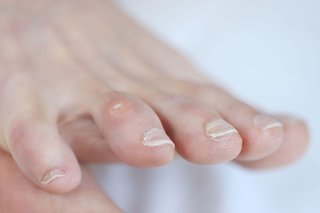
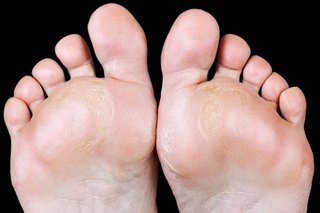
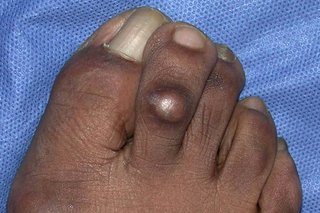
What you can do about corns and calluses
If you have diabetes, problems with your circulation, a weakened immune system, or are an older person, do not try to treat corns and calluses yourself.
These conditions can make foot problems more serious. See a GP or foot specialist.
Corns and calluses are not often serious.
There are some things you can try to get rid of them yourself and stop them coming back.
Do
-
wear thick, cushioned socks
-
wear wide, well-fitting, supportive shoes with a low heel and soft sole that do not rub
-
use soft insoles or heel pads in your shoes
-
soak corns and calluses in warm water to soften them
-
regularly use a pumice stone or foot file to remove hard skin
-
moisturise to help keep skin soft
Don’t
-
do not try to cut off corns or calluses yourself
-
do not walk long distances or stand for long periods
-
do not wear high heels or tight pointy shoes
A pharmacist can help with corns and calluses
You can ask a pharmacist about:
- heel pads, corn plasters or toe separators, and insoles
- products to treat corns and calluses
- different types of pain relief
When and where to get medical help
You should see a GP if you get additional symptoms or you do not get any improvement after 3 weeks of treating a corn or callus yourself.
You should also see a GP if you have any issues that could make a foot problem more serious, like diabetes.
Non-urgent advice: See a GP if:
You think you have a corn or callus and:
- you have diabetes
- you have problems with your circulation or a weakened immune system
- it bleeds, or has any pus or discharge
- it has not improved after treating it at home for 3 weeks
- the pain is severe or stopping you doing your normal activities
Treatment for corns and calluses
A GP can check if you have a corn or callus.
They might:
- give you antibiotics if a corn or callus is infected
- refer you to a foot specialist if they think you need further treatment
Treatment from a foot specialist
A foot specialist, such as a podiatrist, may be able to offer treatments such as:
- cutting away the corn or callus
- patches or creams to help soften the hard skin so it can be removed
- specially made soft pads or insoles to take pressure off the painful area of your foot
Referral to a podiatrist on the NHS may not be available to everyone and waiting times can be long. You can pay to see a podiatrist privately.
Find a podiatristSelf-refer to a podiatrist
If you have corns or calluses, you might be able to refer yourself directly to a podiatrist without seeing a GP.
To find out if there are any services in your area:
- ask the reception staff at your GP surgery
- check your GP surgery's website
- contact your integrated care board (ICB) – find your local ICB
- search online for NHS podiatrists near you
Common causes of corns or calluses
Corns and calluses are caused by pressure or rubbing of the skin on the hands or feet.
For example, from:
- wearing high heels, uncomfortable shoes or shoes that are the wrong size
- a problem with the bones in your feet
- losing fat on the bottom of your feet as you get older
- not wearing socks with shoes
- lifting heavy weights
- playing a musical instrument
Page last reviewed: 28 July 2026
Next review due: 28 July 2029