Symptoms of acne
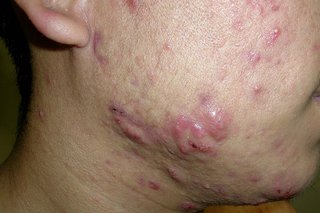
Acne can range from mild, with a few spots, to severe, with deep, painful lumps under your skin. It usually affects your face, chest and back.
Symptoms of acne can include:
- oily or greasy skin
- spots on your skin
- large, sometimes painful lumps under your skin
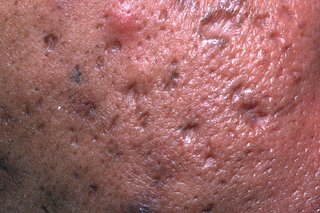
- changes to your skin colour and texture, or scars where you've had spots
- skin that may feel hot or painful to touch
Having acne can also affect your mental health, causing anxiety, depression and low self-esteem.
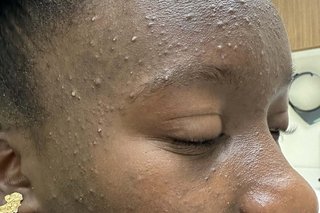
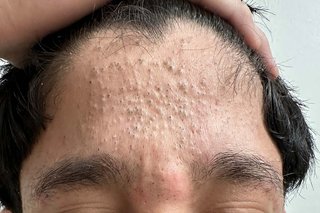
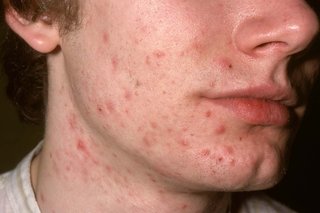
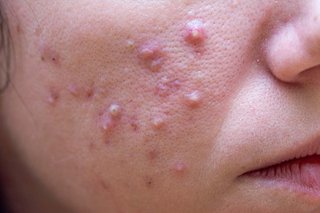
Types of acne spots
There are different types of spots, and you may have more than 1 type.
Things you can do to help with acne
There are some things you can do that can help with acne.
Do
-
wash your skin twice a day with a gentle cleanser
-
remove make-up at the end of the day
-
use skincare and make-up products that are non-comedogenic (this means they will not clog pores)
-
try acne treatments you put on your skin such as salicylic acid or benzoyl peroxide – you can speak to a pharmacist for advice
-
wear loose, breathable clothing (especially when exercising or sweating) if you have acne on your body
Don’t
-
do not pick or squeeze spots because this can cause scars
-
do not scrub your skin as this can irritate it and make acne worse
A pharmacist can help with acne
A pharmacist can recommend treatments for acne, including:
- treatments you put on your skin
- supplements that come as tablets, such as zinc, niacinamide and vitamin A
When and where to get medical help
You may need to get help from a GP for acne. They can offer treatment and advice to help manage it.
Non-urgent advice: See a GP if:
You have acne and:
- you've tried treating it yourself but it's not getting better
- you have lots of spots, or the spots are deep, painful or causing scars
- you have signs of a skin infection, such as hot, swollen and red skin (redness can be harder to see on brown and black skin)
- it's affecting your mental health
A GP may offer treatments you can only get with a prescription or refer you to a skin specialist (dermatologist).
Treatments from a GP or specialist
There are many acne treatments available from a GP or skin specialist (dermatologist) with a prescription. They are stronger than products you can buy from pharmacies and shops and can be very effective for more severe acne.
Medicine you put on your skin
Acne medicines you put on your skin (topical) usually come as a cream, gel or lotion. They're used to:
- reduce inflammation and oiliness, and prevent spots, such as the retinoid medicines tretinoin and adapalene
- kill the bacteria that cause inflammation and pus in acne, such as the antibiotics clindamycin and erythromycin
Medicine you take
Acne medicines you take usually come as a tablet that you swallow. They're used to:
- control the type of bacteria that cause inflammation and pus in acne, such as the antibiotics doxycycline and lymecycline
- manage hormone levels that contribute to acne, such as the combined pill
- reduce inflammation and oiliness, and prevent spots, such as the retinoid isotretinoin
Causes of acne
Acne can happen when hair follicles (where hair grows on the skin) become blocked with excess oil and dead skin cells. Bacteria can grow in blocked hair follicles and cause inflammation and pus.
Acne can be caused by:
- changes in hormone levels, such as during puberty, periods, menopause and pregnancy
- conditions such as polyendocrine metabolic ovarian syndrome (PMOS) and rosacea
- taking certain medicines
- products you use on your skin or hair that can make your skin greasy