Sugar
Kids are having over 2 times more sugar than is recommended, with half of it coming from snacks and sugary drinks.
This guide can help you understand sugar guidelines, what sugar to watch out for and smart ways to reduce your family's intake.
Maximum recommended daily amounts by age
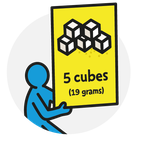
4 to 6 years
19 grams of sugar is the maximum recommended daily limit for kids aged 4 to 6 years.
This is equivalent to 5 sugar cubes.
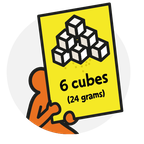
7 to 10 years
24 grams of sugar is the maximum recommended daily limit for kids aged 7 to 10 years.
This is equivalent to 6 sugar cubes.
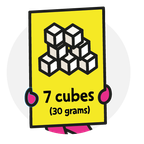
11 years and older
30 grams of sugar is the maximum recommended daily limit for children who are 11 years and older.
This is equivalent to 7 sugar cubes.
Which sugars should I watch out for?
You should try to cut down on a type of sugar we call free sugars. Free sugars are:
- Sugars that are added to food and drink to sweeten it. They could be added by a manufacturer, a chef or by you at home.
- Sugars that are released from the cell walls of fruit and vegetables when they are processed. This includes during juicing, blending or pureeing.
You should limit foods containing free sugars, such as:
- honey
- syrups (including maple syrup)
- table sugar such as granulated, caster, icing or brown sugar
- fruit and vegetable juices, smoothies and purees
Even if you make fruit and vegetable juices, smoothies and purees at home, they will still contain free sugars.
You do not need to worry about sugar in:
- whole or chopped fruit
- whole or chopped vegetables
- plain milk
- plain yoghurts
You do not need to cut down on these types of sugars.
Did you know?
You should keep dried fruits to mealtimes and avoid eating them as a snack to protect your family's teeth.
The effects of too much sugar
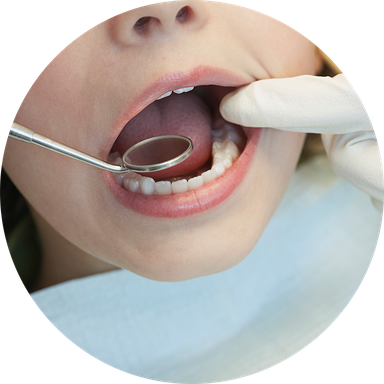
Too much sugar is bad for children's health as it can lead to painful tooth decay. Tooth decay is the leading cause of hospital admissions for children aged 5 to 9 years.
Having too much sugar can also lead to excess weight gain. Carrying extra weight can increase the risk of serious diseases like type 2 diabetes, heart disease and some cancers over time.
Try our sugar calculator
It's so easy for sugar to add up throughout the day. Use our simple sugar calculator to quickly check how much you and your family may be having each day.
Food and drinks to watch out for
Fruit juices and smoothies
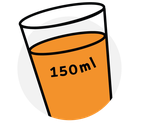
Kids and adults should have no more than a combined amount of 150ml of fruit juice and smoothies a day. If you do have them, keep them to mealtimes only.
Although fruit juices and smoothies provide some vitamins and minerals, they also contain a lot of free sugar.
150ml of fruit juice can contain around 15g of sugar. This is up to three-quarters of the maximum amount of sugar kids aged 4 to 10 years should have each day.
Plus, they only count as 1 of your 5 A Day, no matter how much or how many different types you have.
It's better to eat whole fruits and vegetables instead.
Pouches of juice drink
1 pouch of juice drink can contain up to 8 grams or 2 cubes of sugar.
Yoghurt
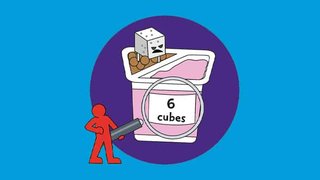
Believe it or not, a pot of sugary yoghurt can contain up to 24 grams or 6 cubes of sugar!

Cereal bars
We tend to think of these as a healthier option, but a single bar can contain 12 grams or 3 cubes of sugar.

Fun-size sweets
The packet may be small, but it can contain 20 grams or 5 cubes of sugar.

Ice cream
An ice cream can contain up to to 20 grams or 5 cubes.

Chocolate bars
A single chocolate bar can contain up to 24 grams or 6 cubes of sugar. That's the entire day's allowance for kids aged 7 to 10 years!
Other foods to watch out for
Kids in general are also getting a lot of sugar from:
- fizzy drinks
- buns
- cakes
- pastries
- biscuits
- breakfast cereals
How to cut down on sugar
Even if you know what to look out for when it comes to sugary food, it can often be really difficult to know what to do instead.
Tips to reduce sugar at home

DIY snacks
Ask your kids to help prepare healthier snacks such as fruit or lower-sugar cereal. It's a fun thing to do together, and they're more likely to eat it if they've made it.

Go bananas!
Try adding a sliced banana to wholewheat cereal biscuits or low-fat, lower-sugar yoghurt. You can also use it as a healthy topping for toast – a great way to get 1 of your 5 A Day.
Drink smart
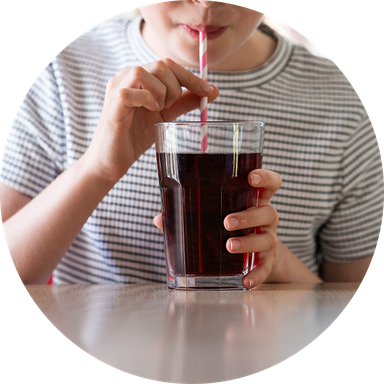
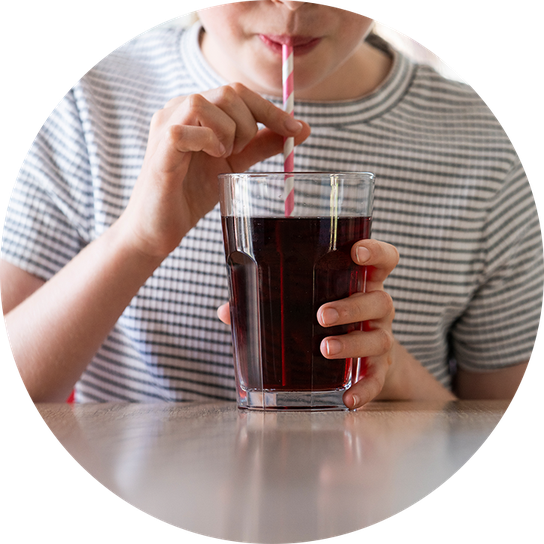
It's easy to end up consuming a lot of sugar from drinks without realising. Around a quarter of the sugar kids aged 6 to 10 years have every day comes from sugary drinks. Swap soft and fizzy drinks, juice and flavoured milks for water or plain lower-fat milks.
Liven up your yoghurt
Low-fat, plain yoghurt topped with chopped fruit or berries makes a great dessert. Serve this up instead of typical yoghurts, ice cream or other sugary puddings. Plus, it counts towards your 5 A Day!

Mix in more water
If your child is already having fruit juice or squash, add more water and less juice or squash over time. This is a gradual way to help them get used to drinking plain water.
Tips to reduce sugar when you shop

Make a good choice
Look out for the "Good choice" badge in store and when shopping online to quickly find better options.
Check the label
Many products have traffic light labels on the front of packs, which can be a really useful guide. Pick items with more greens and ambers, and cut down on ones with any reds.
Scan and know
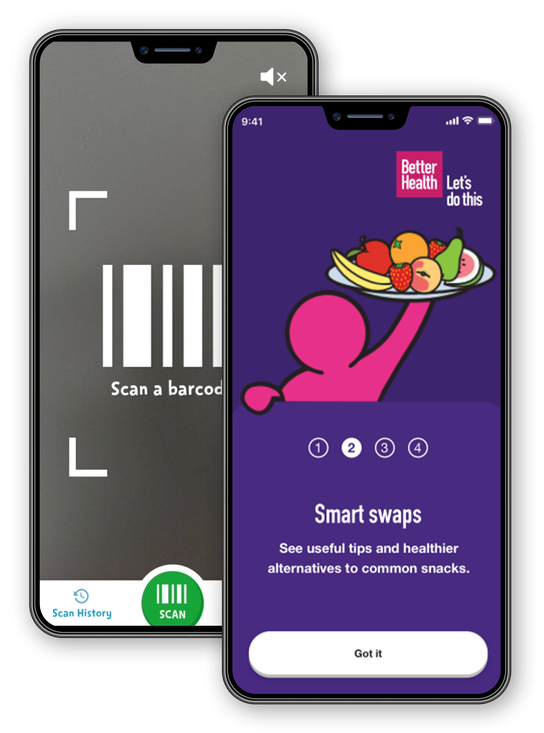
Use the free NHS Food Scanner app to see how much sugar is in your favourite food or drink, and get suggestions for healthier swaps!
Bigger is not better
The big bottles of fizzy drinks and juice may seem like a good deal, but you're just getting more sugar! Go for water and plain lower-fat milks instead.

Leave it on the shelf
It's the simplest trick in the book. If you do not have sugary sweets and treats in the house, you will not be able to eat them!
Should I swap to sweeteners to reduce my child's sugar intake?
If your child does not currently have any sweeteners, it's best not to start.
If your child is having food or drink that contains sweeteners, you should keep the amount they have to a minimum and reduce their intake over time.
But if your child is aged 11 years or older and drinks sugary drinks, you could swap to sugar-free or no-added-sugar drinks with sweeteners as a temporary step to reduce their sugar intake. You should keep them to a minimum and swap them for water or plain lower-fat milks over time.
There is some concern that long-term sweetener intake may increase the risk of weight gain and some health conditions such as type 2 diabetes.
Find out more about sweeteners on NHS.UK: The truth about sweeteners.

Make a healthier food swap!
See simple food swap ideas to help cut down on sugar, salt and fat in your and your family's diet – plus easy ways to make a swap when you next shop!

Download the free NHS Food Scanner app
With a speedy scan of your family's favourite foods, you can find healthier swaps for the next time you shop.
It's as easy as scan, swipe, swap!