Sleep problems
Sleep problems can be hard to cope with, especially when they start to affect your everyday life.
A few sleepless nights are usually nothing to worry about. But if poor sleep happens often, it can start to affect how you feel and get through the day.
In this guide, you can learn how much sleep you need, how to spot sleep problems and what can cause them.
How much sleep do adults need?
Most healthy adults need around 7 to 9 hours of sleep a night, although the exact amount can be different for each person.
Your age, health and daily routine can all affect how much sleep you need. Children and teenagers usually need more sleep than adults.
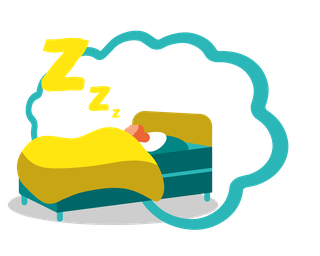
How do you know if you're getting enough sleep?
How you feel during the day can help you know if you are getting enough sleep.
You may be getting enough sleep if you:
- wake up feeling refreshed
- have enough energy to get through the day
- can focus on everyday tasks
You may not be getting enough sleep if you:
- find it hard to wake up or start your day
- feel very tired, irritable or sleepy during the day
- find it hard to focus or cope with everyday tasks
Signs and symptoms of sleep problems
Sleep problems can affect you in different ways. You may:
- find it difficult to fall asleep
- lie awake for long periods at night
- wake up several times during the night
- wake up early and not be able to get back to sleep
When is poor sleep a problem?
A few nights of bad sleep are usually nothing to worry about. However, if you regularly do not get enough sleep, you may feel tired, irritable or less able to cope.
Longer-term sleep problems can also make daily tasks feel harder. They may affect your mood, appetite, relationships and social life.
This is because sleep gives your mind and body time to rest and repair. Getting enough sleep can support your mood, energy, immune system and overall health.
Not getting enough sleep is sometimes called sleep deprivation or sleeplessness.
What is insomnia?
Many people have poor sleep from time to time. But if you regularly find it hard to fall asleep, stay asleep or wake up too early, you may have insomnia.
Insomnia can last for a short time, or continue for months or years.
Changing your sleep habits can often help. If this does not help, or you think you may have insomnia, speak to a GP.
Visit the NHS page on insomnia for more information.
How to get better sleep
Sleep problems can take time to improve, but small changes can help.
A regular routine can help your body get used to sleeping better. Try to go to bed and wake up at around the same time each day, and give yourself time to relax before bed.
There are also simple things you can try, such as making your bedroom more comfortable, avoiding caffeine late in the day and putting your phone away before bed.
Find out how to fall asleep faster and sleep better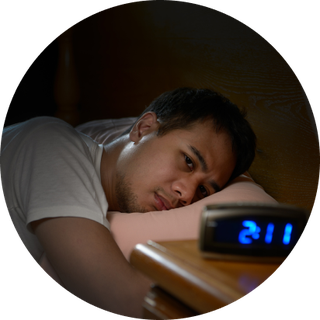
Video: Things you can do to sleep better tonight
If you want more guidance, watch sleep expert Professor Colin Espie explain simple changes that can help you get ready for sleep.
Causes of sleep problems and solutions
There are many reasons why you might not sleep well. There are also things that may help.
More support for sleep problems

Get sleep tips sent to your inbox
Put your sleep first. Join our 6-week email programme for advice on things like setting up your bedroom for sleep, creating a wind-down routine and building habits that can help you get a better night’s rest.
Helping someone else
Get tips and advice on helping others struggling with their mental health.
Ways you can help othersUrgent support
If you cannot wait to see a doctor and feel unable to cope or keep yourself safe, it's important to get support.
Get urgent support nowGet your free Mind Plan
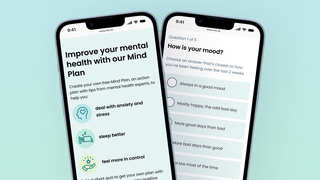
Get a personalised mental health action plan
Answer 5 quick questions to get your plan with practical tips to help you deal with stress and anxiety, improve your sleep and feel more in control.