Self-help CBT techniques
Experiencing anxiety and unhelpful thoughts is a completely normal part of being human. Cognitive Behavioural Therapy (CBT) can help you understand yourself better and respond in more helpful ways.
CBT is usually done with a therapist, but you can practise many of the same ideas on your own. Our guides include practical CBT techniques to help you manage your thoughts, feelings and behaviours.
Practical ways to feel better with CBT
Choose a guide to learn practical CBT techniques that can help you feel better and build healthier habits.

Reframe unhelpful thoughts
Unhelpful thoughts can leave you feeling overwhelmed or anxious. Learn how to spot them and see them in a different way.

Tackle your worries
Worrying is a normal part of life. Discover simple techniques, including "worry time", to help you manage it.

Face your fears
Avoiding things you fear may feel easier at first, but it can make them harder to face over time. Learn ways to gradually face your fears and build confidence.
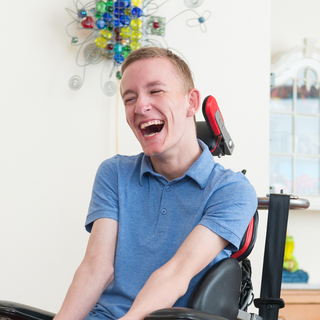
Bounce back from life's challenges
Looking after your mental health can help you cope better when life gets tough. Learn ways to support your wellbeing every day.

Solve problems
Working through problems can make them feel more manageable. This guide shows you how to focus on the problems you can solve and recognise the ones you can't.

Tackle your to-do list
Feeling low can make it hard to get things done. Learn ways to build motivation and create a routine that works for you.

Stay on top of things
Looking after your mental health every day can help you cope better when life gets tough. Learn how in our guide.
What is CBT?
CBT stands for Cognitive Behavioural Therapy. It's a type of talking therapy where you work with a trained therapist.
CBT is based on the idea that your thoughts, feelings and actions are connected. A thought can affect how you feel, and how you feel can affect what you do.
If you get stuck in a cycle of unhelpful thoughts, it can make you feel worse and lead to behaviours that keep the cycle going.
How 1 thought can impact your life
- You think, "no one likes me or wants to spend time with me".
- This makes you feel worried, sad, lonely or angry.
- Your feelings make you stop replying to messages from friends or avoid making plans.
This can make the thought feel even more true. Feeling more alone can reinforce the thought that no one wants to spend time with you.
CBT helps you recognise these patterns and learn practical ways to break the cycle.
Video: Challenge unhelpful thoughts with Dr. Simi
Learn more about CBT and get a simple technique to help you cope with negative thoughts.
Does CBT work?
Yes, cognitive behavioural therapy (CBT) is one of the most effective talking therapies.
Research shows it can help with a range of mental health problems by teaching you practical ways to recognise and change unhelpful thoughts and behaviours.
It can help you improve:
- anxiety
- low mood
- stress
- sleep problems
For more support, including how to try CBT with a therapist, visit the NHS talking therapies and counselling page.
Create a free, personalised Mind Plan
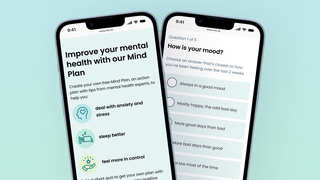
Get your action plan with tips from mental health experts
Answer 5 quick questions to get your plan with practical ways to help you deal with stress and anxiety, improve your sleep and feel more in control.
More mental health support
Our 'Top tips to improve your mental wellbeing' page shares tips to help you feel better now and cope better when life gets tough.
You'll learn about lots of ways to support your mental health, including:
- being more present
- sleeping better
- connecting with others
- making time for yourself