Potty training your child
Potty training is an important step for you and your child.
Learning to use a potty, and then the toilet on their own takes time, practice and patience.
If you're starting potty training or you want to build your child's confidence to use the toilet on their own, this page can help.
When should I start potty training?
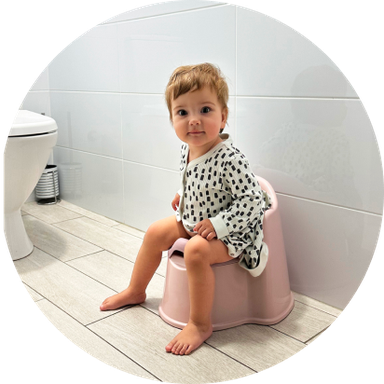
Almost all children can be potty trained between 18 months and 2-and-a-half years old.
Starting around this age gives your child time to practice these new skills and build confidence without nappies.
The best thing to do is to start the training. You do not need to wait for your child to show signs or ask to use a potty before you start.
They may be aware of needing wees and poos. For example, your child may tell you when they are wet or need changing, or when they are having a wee or poo. But they may not do this, and that's completely normal.
Waiting for the perfect time can sometimes mean putting it off for longer than you need to.
Did you know?
The tips and advice here can still be helpful for supporting children over two-and-a-half years old. With support, most children can master using the toilet. Why not get started today?
Children with special educational needs and disabilities (SEND)
If your child has special educational needs and disabilities (SEND), they can still learn toileting skills.
They may need more time or extra support when they're learning.
For more support, visit:
How do I prepare for potty training?
Getting ready for potty training does not need to happen all at once. You can start preparing with a few simple everyday activities.
Some things you can do
-
read books together about using potties
-
use dolls or toys to show how to use the potty
-
encourage your child to practice sitting on a potty
-
talk about wees and poos as they happen so your child can start to recognise them
-
change nappies in the bathroom where possible to help your child connect wees and poos with the potty
-
involve your child in simple toileting routines, such as flushing the toilet or washing hands after a nappy change
-
give regular nappy-free time of around 30 minutes after they have done a wee or poo
Decide whether to use a potty or toilet
You’ll also need to decide whether you’ll use a potty or a toilet with a child seat and step.
A potty is a small bowl that sits on the floor for your child to wee or poo in. After they’ve used it, empty the potty into the toilet, then clean it ready for the next time.
Some families choose to start with a toilet and a training seat, step and rails instead.
This can help them get used to using the toilet from the start, so there is no need to switch from a potty to a toilet later.
Did you know?
If you decide to use a toilet with a training seat, the step should be high enough that when your child is sitting on the toilet, their knees are higher than their hips.
What will I need?
You do not need to buy lots of things to start potty training. You may already have some of the things you need. You also may be able to borrow things, or get what you need for free.
Some things you may need
-
a potty, or if you're using the toilet, a training seat, step and rail
-
pants or reusable training pants for when your child stops wearing nappies during the day
-
clothes that are easy to pull up and down
-
spare clothes for accidents
-
a washable, absorbent car seat liner
Clothes with buttons and zips, or skirts with tights can take longer to remove when your child needs the toilet quickly. Instead, use clothes that are easy to pull up and down, such as joggers or leggings.
Check your child is not constipated
Your child should be doing soft poos at least every other day.
If their poos are hard, dry or look like small pebbles, or if your child is straining to do a poo, they may be constipated. For more information, read the NHS guide on constipation in children.
Painful poos may make your child afraid of having them and can make subsequent poos more painful.
If you think your child is constipated
Talk to your health visitor or your GP. It’s important to get help with this before stopping nappies.
5 steps for potty training
Once you and your child are ready to begin, these steps can help you get started.
Every child learns at their own pace. Some children pick up new skills quickly, while others need more time and support.

Step 1: Tell your child what’s happening
Choose a time when life is fairly calm and there are not too many changes happening at once.
Let your child know that they will be starting to use a potty or toilet instead of nappies.
Talking to them about what is going to happen can help make the change feel less surprising.
Step 2: Stop using nappies, even pull-ups, during the day
It’s time to stop using all types of nappies during the day and switch to pants.
Wearing pants helps your child notice when they are wet or dry, which is an important part of learning to use a potty or toilet.
Start with daytime potty training and keep using nappies during naps and at night for now.
Step 3: Help your child use the potty or toilet regularly
Your child may not always know when they need a wee or poo yet, so don't wait for them to tell you every time they need the toilet.
Instead, make using the toilet part of your everyday routine. You could encourage them to go:
- when they get up
- after eating food
- before leaving the house
- before naps
- every time they are out and pass a toilet
- before bed
Over time, they may start to show you when they need to go. For example, your child might:
- tell you they need a wee or poo
- tell you when they are wet or dirty
- fidget, go quiet or make faces
When you notice these signs, gently encourage them to try using the potty or toilet. Some children may not show these signs, and that's okay too.
If you’re out and about, be prepared. Take plenty of changes of clothes, a travel potty if you have one and an absorbent seat liner if you drive a car.

Step 4: Praise their efforts
Praise them for trying, whether or not they manage a wee or poo. Helping your child feel proud of their progress can help build their confidence.
For example, you could:
- clap and tell them how proud you are of them
- give them a sticker
- use a reward chart
For more ideas on how to celebrate your child’s everyday wins, visit CBeebies Parenting: How can I celebrate my baby’s little victories?
Step 5: Help your child build their confidence with new skills
As your child gets used to using the potty or toilet, you can encourage them to do a little more for themselves, such as:
- wiping their bottom
- washing their hands
- flushing the toilet
- pulling their pants up and down
- choosing which pants to wear
This can help them build confidence and feel more in control.
When should I start using pants for nap time and night time?
Once your child is regularly staying dry when they take a nap, you can try using pants at nap time.
It can help to encourage your child to use the potty or toilet before they go to sleep and again when they wake up.
Most children learn to stay dry at night after they are dry during the day. This happens naturally over time and is not something you need to teach.
Keep going, even when accidents happen
Accidents are a normal part of learning and happen to most children.
When accidents do happen, try not to get angry or upset with your child. Stay calm, clean up together and move on.
They are still learning, and every accident is another chance to practise.
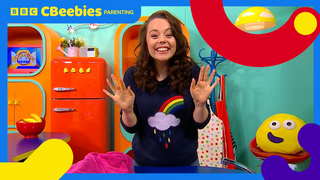
CBeebies Parenting: Washing Your Hands song
Make potty training fun with this 90 second sing-along song with Evie. A playful and engaging way to learn hand washing skills.
How do I potty train with other caregivers?
Potty training can be easier when everyone is working together as consistency is important.
If your child is wearing pants during the day at home, try to follow the same routine with other caregivers. Following the same approach in different places can help your child feel more confident as they learn this new skill.
Talk to your nursery or your childminder to plan how you will work together. It may also be useful to talk about the tips and strategies in this guidance.
What if potty training is not going as planned?
It's normal to face a few challenges while your child is learning to use the potty or toilet.
Every child learns differently, and some challenges are common while children are learning this new skill.
If any of these sound familiar, there are things you can do to help.
Where can I get help and support for potty training?
You do not have to manage potty training on your own. If you would like advice or support, you can speak to:
- your health visitor
- your nursery, childminder or pre-school team
- a children's centre
- a Best Start Family Hub
You can also ask your health visitor about potty training at your child's 9 to 12 month and 2 to 2-and-a-half year development reviews. They can offer advice and answer any questions you may have.
You may also find these other potty training resources helpful:
Sign up for emails
Our emails include NHS trusted advice and support, tailored to your stage of pregnancy or baby's age.