Blisters often heal on their own within a week. They can be painful while they heal, but you will not usually need to see a GP.
How you can treat a blister yourself
There are things you can do to protect a blister and help stop it getting infected.
Do
-
keep the blister as clean as possible – gently wash the skin and pat it dry
-
cover blisters with a soft plaster or padded dressing
-
wash your hands before touching a burst blister
-
allow the fluid in a burst blister to drain before covering it with a plaster or dressing
Don’t
-
do not burst a blister yourself
-
do not peel the skin off a burst blister
-
do not pick at the edges of the remaining skin
-
do not wear the shoes or use the equipment that caused your blister until it heals
A pharmacist can help with blisters
To protect your blister from becoming infected, a pharmacist can recommend a plaster or dressing to cover it while it heals.
A hydrocolloid dressing (a moist dressing) can protect the blister, help reduce pain and speed up healing.
Check if you have a blister
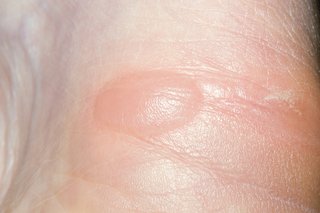
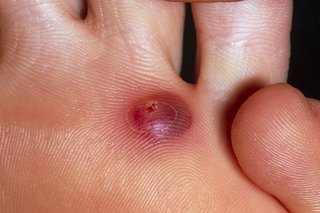
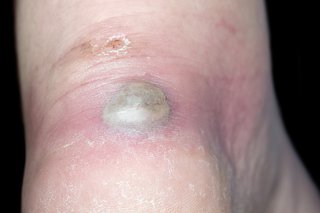
Important
Do not ignore an infected blister. Without treatment it could lead to a skin or blood infection.
Urgent advice: Get help from NHS 111 if:
- a blister is very painful or keeps coming back
- the skin looks infected – it's hot and the blister is filled with green or yellow pus
- the skin around the blister looks red, but this can be harder to see on brown or black skin
- a blister is in an unusual place – such as your eyelids, mouth or genitals
- several blisters have appeared for no reason
- a blister was caused by a burn or scald, sunburn, or an allergic reaction
You can call 111 or get help from 111 online.
Treatment for blisters from a GP
A GP might burst a large or painful blister using a sterilised needle. If your blister is infected, they may prescribe antibiotics.
They can also offer treatment and advice if blisters are caused by a medical condition.
Conditions that can cause blisters
Conditions that can cause blisters include:
- chickenpox – a childhood illness that causes itchy spots
- cold sores – small blisters that develop on the lips or around the mouth, caused by a virus
- genital herpes – a sexually transmitted infection (STI) that most commonly affects the genitals
- bullous impetigo – a bacterial skin infection
- pompholyx – a type of eczema
- scabies – a skin condition caused by tiny mites
- hand, foot and mouth disease – a viral infection that usually affects young children
How to prevent blisters
Blisters develop to protect damaged skin and help it heal. They're mostly caused by friction, burns and skin reactions, such as an allergic reaction.
Blood blisters appear when blood vessels in the skin have also been damaged.
If you often get friction blisters on your feet or hands:
- wear comfortable, well-fitting shoes
- wear new shoes for short periods of time, until they're comfortable
- wear thick socks during exercise, such as moisture-wicking sports socks
- change your socks frequently if you get sweaty feet
- wear protective gloves when you exercise or if you use tools at work
Page last reviewed: 22 November 2023
Next review due: 22 November 2026