What are Primary Care Trusts (PCTs)?

Healthcare in the UK is divided into 'primary' and 'secondary' services.

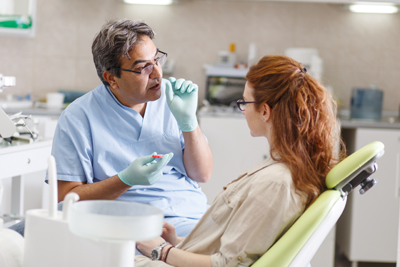
Primary care services are provided by the people you normally see first when you have a health problem. It might be a visit to your doctor or dentist, to your optician for an eye test, or a trip to your pharmacist. NHS walk-in centres and the NHS Direct phone service are also part of primary care.

All of these primary care services are managed by Primary Care Trusts (PCTs). There are about 152 Primary Care Trusts in England (five of which are Care Trusts), each one covering a separate local area.

PCTs are a very important part of the NHS, and they get about 80% of the total NHS budget. PCTs decide what health services a local community needs, and they are responsible for providing them. They must ensure that there are enough services for people within their local area, and that the services are accessible. These services include:

  • GPs,
  • Dentists,
  • Pharmacists,
  • Opticians,
  • NHS Direct, and
  • NHS walk-in centres.

PCTs make decisions about the type of services that hospitals provide and are responsible for making sure that the quality of service is high enough. They also control funding for hospitals.

As PCTs are local organisations, they are in a good position to understand the needs of their local community. They make sure that NHS organisations work effectively with local authorities, and other agencies that provide local health and social care services, so that the local community's treatment needs are met.

Further information:

Last reviewed: 13/03/2008

Next review due: 12/03/2010