You are here:

About the NHS

NHS structure

Graphic of NHS structure

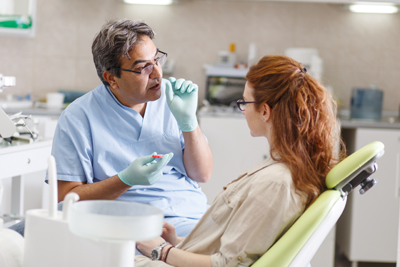
As can be seen on the diagram (right) the NHS is divided into two sections: primary and secondary care. Primary care is the first point of contact for most people and is delivered by a wide range of independent contractors, including GPs, dentists, pharmacists and optometrists.


Secondary care

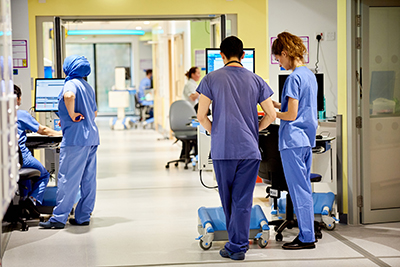
Secondary care is known as acute healthcare and can be either elective care or emergency care. Elective care means planned specialist medical care or surgery, usually following referral from a primary or community health professional such as a GP.


Primary care trusts

Primary care trusts (PCTs) are in charge of primary care and have a major role around commissioning secondary care, providing community care services. They are central to the NHS and control 80% of the NHS budget.

As they are local organisations, they understand what members of their community need, so they can make sure that the organisations providing health and social care services are working effectively. The PCTs oversee 37,000 GPs and 21,000 NHS dentists. For more information about PCTs see Authorities and trusts.


Acute trusts

There are 168 acute NHS trusts and 73 mental health NHS trusts, which oversee 1,600 NHS hospitals and specialist care centres. Foundation trusts are a new type of NHS hospital of which there are 122 across England.


Ambulance trusts

Emergency vehicles are provided by the NHS ambulance services trusts. There are 12 ambulance trusts in England. The Scottish, Welsh and Northern Ireland ambulance services provide cover for those countries.


Care trusts

NHS care trusts provide care in both health and social fields. There are few care trusts and they are based mainly in England. There are none in Scotland and the Scottish NHS has no plans to introduce them.


Mental health trusts

NHS mental health services trusts provide mental health care in England and are overseen by the local PCT.


NICE

There are also agencies controlled by the NHS. These include the National Institute for Health and Clinical Excellence (NICE).

Other parts of the UK show

For information on the health service in other parts of the UK, please visit:

The Isle of Man and the Channel Islands have their own independent health service structures. For more information, please visit:


What are these?

Last reviewed: 04/12/2009

Next review due: 03/12/2011

Your NHS rights

Knowing your rights will help you get the most from the NHS. Find out what you can and should expect from the NHS.