Acute trusts
Hospitals are managed by acute trusts, which make sure that hospitals provide high-quality healthcare, and that they spend their money efficiently. They also decide on a strategy for how the hospital will develop, so that services improve.
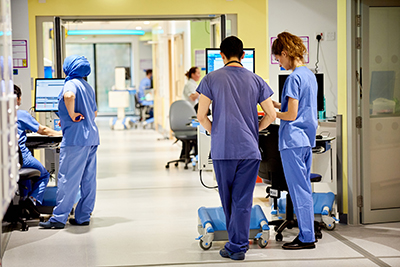
Acute trusts employ a large part of the NHS workforce, including nurses, doctors, pharmacists, midwives and health visitors, as well as people doing jobs related to medicine – physiotherapists, radiographers, podiatrists, speech and language therapists, counsellors, occupational therapists, psychologists and healthcare scientists. There are many other non-medical staff employed by acute trusts, including receptionists, porters, cleaners, specialists in information technology, managers, engineers, caterers and domestic and security staff.
Some acute trusts are regional or national centres for more specialised care. Others are attached to universities and help to train health professionals. Acute trusts can also provide services in the community, for example through health centres, clinics or in people's homes.
Foundation trusts
Foundation trusts are a new type of NHS hospital run by local managers, staff and members of the public, which are tailored to the needs of the local population. Foundation trusts have been given much more financial and operational freedom than other NHS trusts and have come to represent the government’s commitment to de-centralising the control of public services. These trusts remain within the NHS and its performance inspection system.
They were first introduced in April 2004, and there are now 115 foundation trusts in England.
Ambulance trusts
There are currently 12 ambulance services covering England, providing emergency access to healthcare.
If you call for an emergency ambulance the calls are prioritised into:
- Category A emergencies, which are immediately life-threatening, or
- Category B or C emergencies, which are not life-threatening.
The emergency control room decides what kind of response is needed and whether an ambulance is required. For all three types of emergency, they may send a rapid-response vehicle, crewed by a paramedic and equipped to provide treatment at the scene of an incident. Over the past five years the number of ambulance 999 calls has gone up by a third.
The NHS is also responsible for providing transport to get many patients to hospital for treatment. In many areas it is the ambulance trust that provides this service.
Care trusts
Care trusts are organisations that work in both health and social care. They may carry out a range of services, including social care, mental health services or primary care services.
Care trusts are set up when the NHS and local authorities agree to work together, usually where it is felt that a closer relationship between health and social care is needed or would benefit local care services.
At the moment there are only a small number of care trusts, though more will be set up in the future.
Primary care trusts
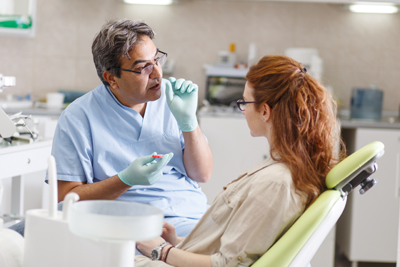
Primary care is the care provided by people you normally see when you first have a health problem. It might be a visit to a doctor or a dentist, an optician for an eye test, or just a trip to a pharmacist to buy cough mixture. NHS walk-in centres and the NHS Direct phone line service are also part of primary care. All of these services are managed for you by your local primary care trust (PCT). There are currently 147 PCTs in England.
Your PCT will work with local authorities and other agencies that provide health and social care locally to make sure that your local community's needs are being met.
PCTs are now at the centre of the NHS and control 80% of the NHS budget. As they are local organisations, they are best positioned to understand the needs of their community, so they can make sure that the organisations providing health and social care services are working effectively.
For example, your PCT must make sure there are enough services for people within their area and that these services are accessible. It must also make sure that all other health services are provided, including hospitals, dentists, opticians, mental health services, NHS walk-in centres, NHS Direct, patient transport (including accident and emergency), population screening, and pharmacies. They are also responsible for getting health and social care systems working together for the benefit of patients.
Find your nearest PCT now
Mental health trusts
There are currently 60 mental health trusts covering England, which provide health and social care services for people with mental health problems. Mental health services can be provided through your GP, other primary care services or through more specialist care. This might include counselling and other psychological therapies, community and family support or general health screening. For example, people suffering bereavement, depression, stress or anxiety can get help from primary care or informal community support. If they need more involved support they can be referred for specialist care.
More specialist care is normally provided by mental health trusts or local council social services departments. Services range from psychological therapy, through to very specialist medical and training services for people with severe mental health problems. About two in every 1,000 people need specialist care for conditions such as severe anxiety problems or psychotic illness.
Strategic health authorities
Created by the government in 2002 to manage the local NHS on behalf of the secretary of state, there were originally 28 strategic health authorities (SHAs). On July 1 2006, this number was reduced to 10. Fewer, more strategic organisations will deliver stronger commissioning functions, leading to improved services for patients and better value for money for the taxpayer.
Strategic health authorities are responsible for:
- developing plans for improving health services in their local area,
- making sure local health services are of a high quality and are performing well,
- increasing the capacity of local health services - so they can provide more services, and
- making sure national priorities - for example, programmes for improving cancer services - are integrated into local health service plans.
Strategic health authorities manage the NHS locally and are a key link between the Department of Health and the NHS.
Download a map of the SHAs (PDF)
Special health authorities
Special health authorities are health authorities that provide a health service to the whole of England, not just to a local community – for example, the National Blood Authority.
They have been set up to provide a national service to the NHS or the public, under section 11 of the NHS Act 1977. They are independent, but can be subject to ministerial direction like other NHS bodies.
Last reviewed: 20/02/2009
Next review due: 20/02/2011