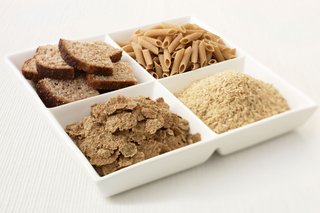
Starchy foods are our main source of carbohydrate and have an important role in a healthy diet.
Starchy foods – such as potatoes, bread, rice, pasta, and cereals – should make up just over a third of the food you eat, as shown by the Eatwell Guide.
Where you can, choose wholegrain varieties, and eat potatoes with their skin on for more fibre.
We should eat some starchy foods every day as part of a healthy, balanced diet.
Why do you need starchy foods?
Starchy foods are a good source of energy and the main source of a range of nutrients in our diet. As well as starch, they contain fibre, calcium, iron and B vitamins.
Some people think starchy foods are fattening, but gram for gram they contain fewer than half the calories of fat.
Just watch out for the added fats you use when you cook and serve them, because this will increase the calorie content.
Starchy foods and fibre
Wholegrain varieties of starchy foods and potatoes (particularly when eaten with their skin on) are good sources of fibre.
Fibre is the name given to a range of substances found in the cell walls of vegetables, fruits, pulses and cereal grains.
Fibre that cannot be digested helps other food and waste products to move through the gut.
Potato skins, wholegrain bread and breakfast cereals, brown rice, and wholewheat pasta are all good sources of this kind of fibre.
Fibre can help keep your bowels healthy and can help you feel full, which means you're less likely to eat too much.
This makes wholegrain starchy foods and potatoes eaten with their skin on a particularly good choice if you're trying to lose weight.
Some types of fibre found in fruits and vegetables – such as apples, carrots, potatoes – and in oats and pulses can be partly digested and may help reduce the amount of cholesterol in your blood.
Tips for eating more starchy foods
These tips can help you increase the amount of starchy foods in your diet.
Breakfast
- Choose wholegrain cereals, or mix some in with your favourite healthy breakfast cereals.
- Plain porridge with fruit makes a warming winter breakfast.
- Whole oats with fruit and low-fat, lower-sugar yoghurt makes a tasty summer breakfast.
Lunch and dinner
- Try a baked potato for lunch – eat the skin for even more fibre.
- Instead of having chips or frying potatoes, try making oven-baked potato wedges.
- Have more rice or pasta and less sauce – but do not skip the vegetables.
- Try breads such as seeded, wholemeal or granary. When you choose wholegrain varieties, you'll also increase the amount of fibre you're eating.
- Try brown rice – it makes a very tasty rice salad.
Types of starchy foods
Potatoes
Potatoes are a great choice of starchy food and a good source of energy, fibre, B vitamins and potassium.
In the UK, we also get a lot of our vitamin C from potatoes. Although potatoes only contain a small amount of vitamin C, we generally eat a lot of them. They're good value for money and can be a healthy choice.
Although potatoes are a vegetable, in the UK we mostly eat them as the starchy food part of a meal, and they're a good source of carbohydrate in our diet.
Because of this, potatoes do not count towards your five portions of fruit and vegetables a day, but they can have an important role in your diet.
Potatoes are a healthy choice when boiled, baked, mashed or roasted with only a small amount of fat or oil and no added salt.
French fries and other chips cooked in oil or served with salt are not a healthy choice.
When cooking or serving potatoes, go for lower-fat or polyunsaturated spreads, or small amounts of unsaturated oils, such as olive or sunflower oil.
For mashed potato, use lower-fat milk, such as semi-skimmed, 1% fat or skimmed milk, instead of whole milk or cream.
Leave potato skins on where possible, to keep more of the fibre and vitamins. For example, eat the skin when you have boiled or baked potatoes.
If you boil potatoes, some nutrients will leak out into the water, especially if you have peeled them. To stop this happening, only use enough water to cover them and cook them only for as long as they need.
Storing potatoes in a cool, dark and dry place or in the fridge will help stop them sprouting. Do not eat any green, damaged or sprouting bits of potatoes, as these can contain toxins that can be harmful.
Bread
Bread, especially wholemeal, granary, brown and seeded varieties, is a healthy choice to eat as part of a balanced diet.
Wholegrain, wholemeal and brown breads give us energy and contain B vitamins, vitamin E, fibre and a wide range of minerals.
White bread also contains a range of vitamins and minerals, but it has less fibre than wholegrain, wholemeal or brown bread. If you prefer white bread, look for higher-fibre options.
Some people avoid bread because they're concerned about having a food intolerance or allergy to wheat, or they think bread is fattening.
However, completely cutting out any type of food from your diet could mean you miss out on a range of nutrients that you need to stay healthy.
If you're concerned that you have a wheat allergy or intolerance, speak to a GP.
Bread can be stored at room temperature. Follow the "best before" date to make sure you eat it fresh.
Cereal products
Cereal products are made from grains. Wholegrain cereals can contribute to our daily intake of iron, fibre, B vitamins and protein. Higher-fibre options can also provide a slow release of energy.
Wheat, oats, barley, rye and rice are commonly available cereals that can be eaten as wholegrains.
This means cereal products consisting of oats or oatmeal, such as porridge, and wholewheat products are healthy breakfast options.
Barley, couscous, corn and tapioca also count as healthy cereal products.
Many cereal products in the UK are refined, with low wholegrain content. They can also be high in added salt and sugar.
When you're shopping for cereals, check the food labels to compare different products.
Rice and grains
Rice and grains are an excellent choice of starchy food. They give us energy, are low in fat, and good value for money.
There are many types to choose from, including:
- all kinds of rice – such as quick-cook, arborio, basmati, long grain, brown, short grain and wild
- couscous
- bulgur wheat
As well as carbohydrates, rice and grains (particularly brown and wholegrain varieties) can contain:
- fibre, which can help your body get rid of waste products
- B vitamins, which help release energy from the food you eat and help your body work properly
Rice and grains, such as couscous and bulgur wheat, can be eaten hot or cold, and in salads.
There are a few precautions you should take when storing and reheating cooked rice and grains. This is because the spores of some food poisoning bugs can survive cooking.
If cooked rice or grains are left standing at room temperature, the spores can germinate. The bacteria multiply and produce toxins that make you be sick (vomit) and have diarrhoea. Reheating food will not get rid of these toxins.
It's therefore best to serve rice and grains as soon as they have been cooked. If this is not possible, cool them within 1 hour of cooking and keep them refrigerated until you reheat them or use them in a recipe such as a salad.
It's important to throw away any rice and grains that have been left at room temperature overnight.
If you are not going to eat cooked rice immediately, refrigerate it within 1 hour and eat it within 24 hours.
Rice should be reheated thoroughly, reaching a core temperature of 70C for 2 minutes (or equivalent) so it's steaming hot throughout.
Rice should not be reheated more than once – it should be thrown away. Do not reheat rice unless it's been chilled safely and kept in a fridge until you reheat it.
Follow the "use by" date and storage instructions on the label for any cold rice or grain salads that you buy.
Pasta in your diet
Pasta is another healthy option to base your meal on. It consists of dough made from durum wheat and water and contains iron and B vitamins.
Wholewheat or wholegrain are healthier than ordinary pasta, as they contain more fibre. We digest wholegrain foods slower than refined grains, so they can help us feel full for longer.
Dried pasta can be stored in a cupboard and typically has a long shelf life, while fresh pasta will need to be refrigerated and has a shorter lifespan.
Check the food packaging for "best before" or "use by" dates and further storage instructions.
Acrylamide in starchy food
Acrylamide is a chemical that's created when many foods, particularly starchy foods like potatoes and bread, are cooked for long periods at high temperatures, such as when baking, frying, grilling, toasting and roasting.
There's evidence to show acrylamide can cause cancer.
The Food Standards Agency has these tips to reduce your risk of acrylamide at home:
- Go for gold: aim for a golden yellow colour, or lighter, when baking, toasting, roasting or frying starchy foods like potatoes, root vegetables and bread.
- Check the pack: follow the cooking instructions carefully when frying or oven-heating packaged food products such as chips, roast potatoes and parsnips. These instructions are to help you cook the product correctly, so you do not cook starchy foods for too long or at temperatures that are too high.
- Eat a varied and balanced diet: while we cannot completely avoid risks like acrylamide in food, this will help reduce your risk of cancer. This includes basing meals on starchy carbohydrates and getting your 5 A Day. Avoid frying or roasting potatoes and root vegetables. Instead, boil or steam them as this will both reduce your risk of acrylamide and cut down on fat.
Find more information on acrylamide on the Food Standards Agency website.