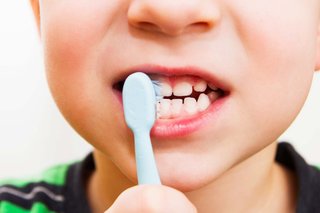
From brushing their first tooth to their first trip to the dentist, here's how to take care of your children's teeth.
A regular teeth-cleaning routine is essential for good dental health. Follow these tips and you can help keep your kids' teeth decay-free.
Toothbrushing tips
It's important to use a fluoride toothpaste, as this helps prevent and control tooth decay.
Children aged up to 3 years
- Start brushing your baby's teeth as soon as the first milk tooth breaks through (usually at around 6 months, but it can be earlier or later).
- Parents or carers should brush the teeth.
- Brush teeth twice daily for about 2 minutes with fluoride toothpaste.
- Brush last thing at night before bed and on 1 other occasion.
- Use children's fluoride toothpaste containing no less than 1,000ppm of fluoride (check on the box) unless a dentist advises using a family toothpaste with higher levels of fluoride, such as between 1,350ppm and 1,500ppm of fluoride.
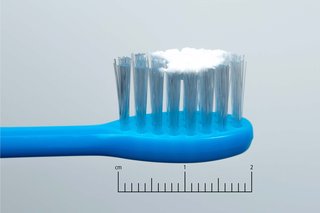
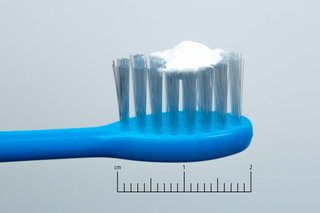
- Use only a smear of toothpaste.
- Make sure children don't eat or lick toothpaste from the tube.
Children aged 3 to 6 years
- Brush at least twice daily for about 2 minutes with fluoride toothpaste.
- Brush last thing at night before bed and at least on 1 other occasion.
- Encourage your child to brush their own teeth while supervising them.
- Use children's fluoride toothpaste that contains 1,000ppm to 1,500ppm fluoride (check on the box).
- Use only a pea-sized amount of toothpaste.
- Spit out after brushing and don't rinse – if you rinse, the fluoride won't work as well.
Children aged 7 and over
- Brush at least twice daily for about 2 minutes with fluoride toothpaste.
- Brush last thing at night before bed and at least on 1 other occasion.
- Use fluoride toothpaste containing between 1,350ppm and 1,500ppm of fluoride (check on the box).
- Spit out after brushing and don't rinse – if you rinse, the fluoride won't work as well.
Children aged 7 and over should be able to brush their own teeth, but it's still a good idea to watch them to make sure they brush properly and for about 2 minutes.
How to help children brush their teeth properly
- Guide your child's hand so they can feel the correct movement.
- Use a mirror to help your child see exactly where the brush is cleaning their teeth.
- Use a small, soft toothbrush that is right for your child's age.
- Brush your child's teeth using small, circular movements.
- Remember to gently brush their gums and behind their teeth.
- Make tooth brushing as fun as possible by using an egg timer to time it for about 2 minutes.
- Don't let children run around with a toothbrush in their mouth, as they may have an accident and hurt themselves.
Taking your child to the dentist
- NHS dental care for children is free.
- Take your child to the dentist when their first milk teeth appear, or before they are 12 months old. This is so they become familiar with the environment and get to know the dentist. The dentist can advise you on how to prevent decay and identify any oral health problems at an early stage. Just opening up the child's mouth for the dentist to take a look at is useful practice for the future.
- When you visit the dentist, be positive about it and make the trip fun. This will stop your child worrying about future visits.
- Take your child for regular dental check-ups as advised by the dentist.
Fluoride varnish and fissure sealants
- Fissure sealants can be done once your child's permanent back teeth have started to come through (usually at the age of about 6 or 7) and again when the rest of their teeth come through between 11 and 14 years. This is where the chewing surfaces of the back teeth are covered with a special thin plastic coating to keep germs and food particles out of the grooves. The sealant protects teeth from decay and lasts up to 4 years.
- Fluoride varnish can be applied to both baby teeth and adult teeth. It involves painting a varnish that contains high levels of fluoride onto the surface of the tooth every 6 months to prevent decay. Some children may need this more often. It works by strengthening tooth enamel, making it more resistant to decay.
- From the age of 3, children should be offered fluoride varnish application at least twice a year. Younger children may also be offered this treatment if your dentist thinks they need it.
Ask your dentist about fluoride varnish or fissure sealing.