Warts and verrucas are small lumps on the skin that most people have at some point in their life. They usually go away on their own but may take months or even years.
Symptoms of a wart or verruca
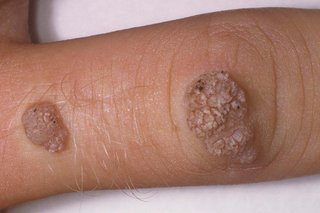
Warts feel firm and rough. They can appear on palms, knuckles, knees and fingers.
Credit:
Custom Medical Stock Photo / Alamy Stock Photo https://www.alamy.com/stock-photo-common-wart-caused-by-hpv-human-papilloma-virus-12116023.html?pv=1&stamp=2&imageid=7EEACC6C-2295-43F6-9333-40E721861FDB&p=13365&n=0&orientation=0&pn=1&searchtype=0&IsFromSearch=1&srch=foo%3dbar%26st%3d0%26pn%3d1%26ps%3d100%26sortby%3d2%26resultview%3dsortbyPopular%26npgs%3d0%26qt%3dA8JE7M%26qt_raw%3dA8JE7M%26lic%3d3%26mr%3d0%26pr%3d0%26ot%3d0%26creative%3d%26ag%3d0%26hc%3d0%26pc%3d%26blackwhite%3d%26cutout%3d%26tbar%3d1%26et%3d0x000000000000000000000%26vp%3d0%26loc%3d0%26imgt%3d0%26dtfr%3d%26dtto%3d%26size%3d0xFF%26archive%3d1%26groupid%3d%26pseudoid%3d%26a%3d%26cdid%3d%26cdsrt%3d%26name%3d%26qn%3d%26apalib%3d%26apalic%3d%26lightbox%3d%26gname%3d%26gtype%3d%26xstx%3d0%26simid%3d%26saveQry%3d%26editorial%3d1%26nu%3d%26t%3d%26edoptin%3d%26customgeoip%3d%26cap%3d1%26cbstore%3d1%26vd%3d0%26lb%3d%26fi%3d2%26edrf%3d0%26ispremium%3d1%26flip%3d0%26pl%3d
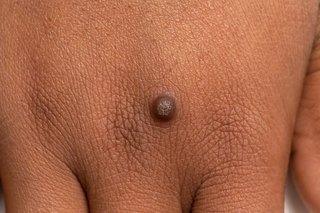
Warts are usually skin coloured but may appear darker on black or brown skin.
Credit:
Science Photo Library https://www.sciencephoto.com/media/1129448/view
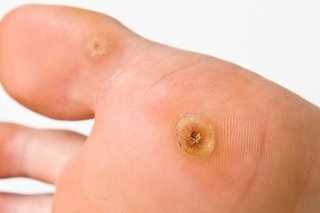
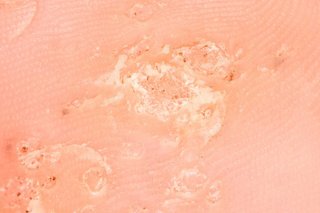
You can get verrucas on your feet. They have tiny black dots under the hard skin.
Credit:
Jankurnelius / Alamy Stock Photo https://www.alamy.com/stock-photo-wart-37478055.html?pv=1&stamp=2&imageid=3C13F6A2-AE03-41C9-BEE8-C3CF16A42165&p=267058&n=0&orientation=0&pn=1&searchtype=0&IsFromSearch=1&srch=foo%3dbar%26st%3d0%26pn%3d1%26ps%3d100%26sortby%3d2%26resultview%3dsortbyPopular%26npgs%3d0%26qt%3dC4Y7HY%26qt_raw%3dC4Y7HY%26lic%3d3%26mr%3d0%26pr%3d0%26ot%3d0%26creative%3d%26ag%3d0%26hc%3d0%26pc%3d%26blackwhite%3d%26cutout%3d%26tbar%3d1%26et%3d0x000000000000000000000%26vp%3d0%26loc%3d0%26imgt%3d0%26dtfr%3d%26dtto%3d%26size%3d0xFF%26archive%3d1%26groupid%3d%26pseudoid%3d%26a%3d%26cdid%3d%26cdsrt%3d%26name%3d%26qn%3d%26apalib%3d%26apalic%3d%26lightbox%3d%26gname%3d%26gtype%3d%26xstx%3d0%26simid%3d%26saveQry%3d%26editorial%3d1%26nu%3d%26t%3d%26edoptin%3d%26customgeoip%3d%26cap%3d1%26cbstore%3d1%26vd%3d0%26lb%3d%26fi%3d2%26edrf%3d0%26ispremium%3d1%26flip%3d0%26pl%3d
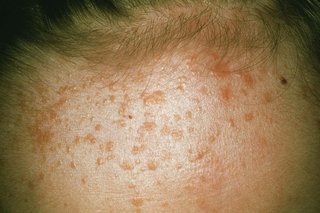
Some warts are round, flat and can be yellow (plane warts). You can have many of them.
Credit:
CNRI/SCIENCE PHOTO LIBRARY https://www.sciencephoto.com/media/263358/view
Clusters of warts spread over an area of skin (mosaic warts) are common on feet and hands.
Credit:
Oramstock / Alamy Stock Photo https://www.alamy.com/stock-photo-verrucas-on-foot-15866939.html?pv=1&stamp=2&imageid=375FEDA2-1B7E-414C-9D46-B8334986F284&p=51005&n=0&orientation=0&pn=1&searchtype=0&IsFromSearch=1&srch=foo%3Dbar%26st%3D0%26sortby%3D2%26qt%3DAPW5KT%26qt_raw%3DAPW5KT%26qn%3D%26lic%3D3%26edrf%3D0%26mr%3D0%26pr%3D0%26aoa%3D1%26creative%3D%26videos%3D%26nu%3D%26ccc%3D%26bespoke%3D%26apalib%3D%26ag%3D0%26hc%3D0%26et%3D0x000000000000000000000%26vp%3D0%26loc%3D0%26ot%3D0%26imgt%3D0%26dtfr%3D%26dtto%3D%26size%3D0xFF%26blackwhite%3D%26cutout%3D%26archive%3D1%26name%3D%26groupid%3D%26pseudoid%3D%26userid%3D%26id%3D%26a%3D%26xstx%3D0%26cbstore%3D1%26resultview%3DsortbyPopular%26lightbox%3D%26gname%3D%26gtype%3D%26apalic%3D%26tbar%3D1%26pc%3D%26simid%3D%26cap%3D1%26customgeoip%3D%26vd%3D0%26cid%3D%26pe%3D%26so%3D%26lb%3D%26pl%3D0%26plno%3D%26fi%3D0%26langcode%3Den%26upl%3D0%26cufr%3D%26cuto%3D%26howler%3D%26cvrem%3D0%26cvtype%3D0%26cvloc%3D0%26cl%3D0%26upfr%3D%26upto%3D%26primcat%3D%26seccat%3D%26cvcategory%3D*%26restriction%3D%26random%3D%26ispremium%3D1%26flip%3D0%26contributorqt%3D%26plgalleryno%3D%26plpublic%3D0%26viewaspublic%3D0%26isplcurate%3D0%26imageurl%3D%26saveQry%3D%26editorial%3D1%26t%3D0%26edoptin%3D
Warts are not harmful, but some people find them itchy, painful or embarrassing. Verrucas are more likely to be painful – like standing on a needle.
You can treat warts if they bother you, keep coming back or are painful.
A pharmacist can help with warts and verrucas
You can buy creams, plasters and sprays from pharmacies to treat warts and verrucas.
These treatments can take up to 3 months to complete, may irritate your skin and do not always work. You should not use these treatments on your face.
Your pharmacist can give you advice about the best treatment for you.
Find a pharmacy
Non-urgent advice: See a GP if:
you're worried about a growth on your skin you have a wart or verruca that keeps coming back you have a very large or painful wart or verruca you have a wart that bleeds or changes in how it looks you have a wart on your face or genitals
Treatments for warts and verrucas
A GP may be able to freeze a wart or verruca so it falls off a few weeks later. Sometimes it takes a few sessions.
Check with the GP if the NHS pays for this treatment in your area.
If treatment has not worked or you have a wart on your face, the GP might refer you to a skin specialist (dermatologist).
If you have a large or very painful verruca, you may be referred to a foot specialist (podiatrist).
A podiatrist can provide a number of treatments including:
stronger medicines than you can get from a pharmacist freezing the verruca using liquid nitrogen (cryotherapy) surgery to remove the verruca using a scalpel or laser You can also pay to see a podiatrist privately.
Find a podiatrist
How to stop warts and verrucas spreading
Warts and verrucas are caused by a virus. They can be spread to other people from contaminated surfaces or through close skin contact.
You're more likely to spread a wart or verruca if your skin is wet or damaged.
It can take months for a wart or verruca to appear after contact with the virus.
There are things you can do to help stop warts or verrucas spreading to other people.
Do
wash your hands after touching a wart or verruca
change your socks daily if you have a verruca
cover warts and verrucas with a plaster when swimming
take care not to cut a wart when shaving
Don’t
do not share towels, flannels, socks or shoes if you have a wart or verruca
do not bite your nails or suck fingers with warts on
do not walk barefoot in public places if you have a verruca
do not scratch or pick a wart
Page last reviewed: 25 July 2023