Staph infections are caused by bacteria called staphylococcus. They most often affect the skin. They can go away on their own, but sometimes they need to be treated with antibiotics.
Check if you have a staph skin infection
Symptoms of a staph skin infection can include:
A painful red lump or bump on the skin
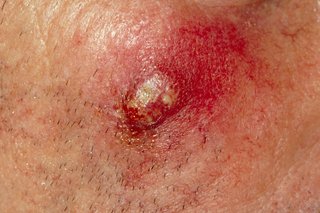
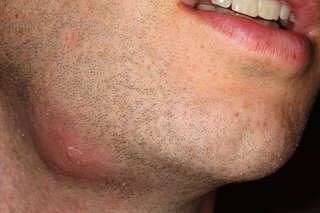
Read about boils and carbuncles and abscesses.
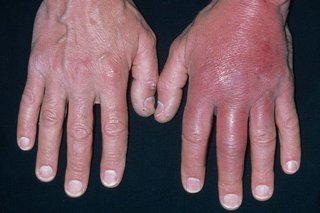
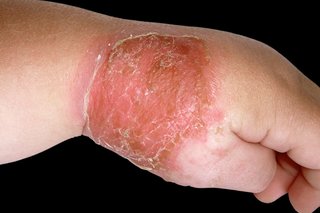
Hot, red and swollen skin
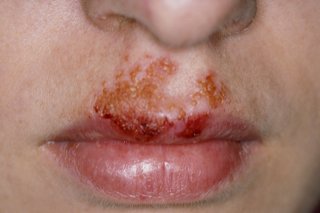
Sores, crusts or blisters
Sore, red eyelids or eyes
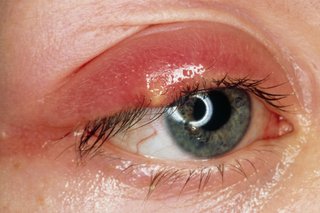
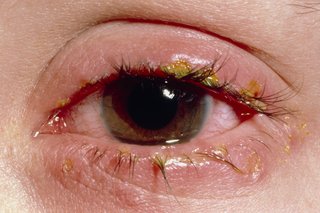
Read more about styes and conjunctivitis.
Redness affecting the skin or eyelids may be harder to see on darker or black skin.
Staph bacteria can also cause more serious infections, like blood poisoning and toxic shock syndrome. These are much less common than skin infections.
Non-urgent advice: See a GP if you think you have a staph skin infection and:
- it's getting worse or spreading quickly
- it lasts more than a week
- you have a weakened immune system – for example, you have had an organ transplant or you're having chemotherapy
You might need antibiotics to treat the infection.
Also see a GP if you keep getting staph infections.
How staph infections are spread
The bacteria that cause staph infections live harmlessly on many people's skin, often in the nose and armpits and on the buttocks.
They usually only cause an infection if they get into the skin – for example, through a bite or cut.
Staph bacteria can spread to others through:
- close skin contact
- sharing things like towels or toothbrushes
- droplets in coughs and sneezes (less common)
You cannot always prevent staph infections
It can be difficult to prevent staph infections because many people have the bacteria on their skin.
But there are things you can do to reduce your chances of getting an infection or spreading the bacteria to others.
Do
-
wash your hands with soap and water regularly
-
keep your skin clean by having a bath or shower every day
-
keep any cuts clean and covered
-
use disposable tissues to blow your nose
Don’t
-
do not share towels, washcloths, bed linen, toothbrushes and razors
Page last reviewed: 10 June 2021
Next review due: 10 June 2024