Most snake bites in the UK are not serious. But it's important to get all snake bites checked as soon as possible.
Immediate action required: Call 999 or go to A&E immediately if:
- you think you, or someone else, has been bitten by a snake
If you're not in the UK when you are bitten by a snake, contact the emergency medical services in the country you're in.
What to do while you're waiting for help
If you've been bitten by a snake, there are things you can do while you're waiting for medical help.
Do
-
stay calm – most snake bites in the UK are not serious and can be treated
-
keep the part of your body that was bitten as still as you can
-
lie in the recovery position if you can
-
take paracetamol for any pain
-
try to remember the colour and pattern of the snake to tell the doctor
-
take off any jewellery and loosen clothes near the bite, in case the skin swells
Don’t
-
do not go near the snake, or try to catch or kill it
-
do not try to suck or cut the poison (venom) out of the bite
-
do not tie anything tightly round the part of the body where the bite is
-
do not take aspirin or ibuprofen, as they can make bleeding worse
What happens at the hospital
You'll usually need to stay in hospital for at least 24 hours if you've been bitten by a snake.
The bite will be cleaned and bandaged. You may be given an injection to help protect you from tetanus.
If you were bitten by a poisonous (venomous) snake you'll be treated with a medicine to fight the venom. This is given through a thin tube into a vein, called a drip.
Types of UK snake
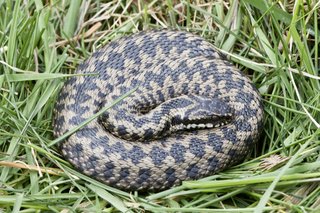
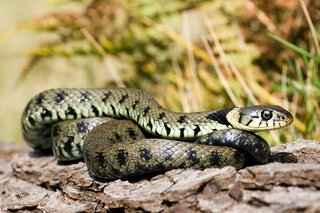
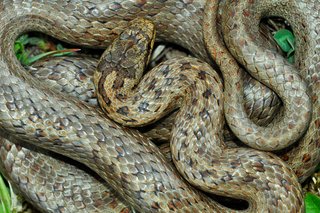
Only 3 types of snake are found in the wild in the UK.
The adder is the only poisonous (venomous) snake, but you should get all snake bites checked as soon as possible.
Telling the doctors the colour and pattern of the snake that bit you could help them treat it.
Page last reviewed: 07 February 2023
Next review due: 07 February 2026