Ringworm is a common fungal infection. It's not caused by worms. You can usually buy medicine from a pharmacy to treat it.
Check if it's ringworm
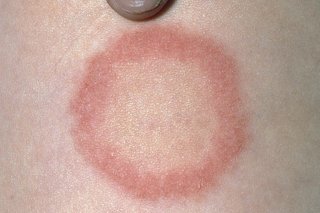
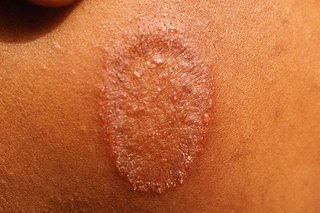
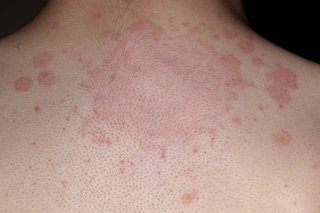
The main symptom of ringworm is a rash. It may look red or darker than the surrounding skin, depending on your skin tone.
The rash may be scaly, dry, swollen or itchy.
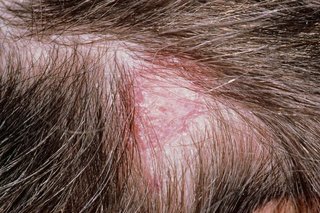
Ringworm can appear anywhere on the body, including the scalp (tinea capitis) and groin (jock itch).
Other common fungal infections
| Affected area | Possible condition |
|---|---|
|
Nails |
|
|
Feet |
A pharmacist can help with ringworm
Speak to a pharmacist first if you think you have ringworm.
They can look at the rash and recommend the best antifungal medicine. This might be tablets, cream, gel or spray depending on where the rash is.
You may need to use an antifungal medicine every day for up to 4 weeks. It's important to use it for the right amount of time, even if the rash has gone away.
A pharmacist will tell you if they think you should see a GP.
Non-urgent advice: See a GP if:
- ringworm has not improved after using antifungal medicine recommended by a pharmacist
- you have ringworm on your scalp – you'll usually need prescription antifungal tablets and shampoo
- you have a weakened immune system – for example, from chemotherapy, steroids or diabetes
How ringworm is passed on
Ringworm is caused by a type of fungi.
It can be passed on through close contact with:
- an infected person or animal
- infected objects, such as bedsheets, combs or towels
- infected soil, although this is less common
It's fine for your child to go to school or nursery once they've started treatment. Let your child's teachers know they have ringworm.
How to stop ringworm spreading
Do
-
start treatment as soon as possible
-
wash towels and bedsheets regularly
-
keep your skin clean and wash your hands after touching animals or soil
-
regularly check your skin if you have been in contact with an infected person or animal
-
take your pet to the vet if they might have ringworm – for example, if they have patches of missing fur
Don’t
-
do not share towels, combs or bedsheets with someone who has ringworm
-
do not scratch a ringworm rash because this could spread it to other parts of your body
Page last reviewed: 03 August 2023
Next review due: 03 August 2026