
Heart
What you need to know before and after a heart transplant
What is a heart transplant?
A heart transplant is an operation, which replaces a patient’s failing or damaged heart with a heart from a donor who has recently died. It is a treatment for some patients with advanced heart failure.
Most patients who are referred to a transplant centre have long-standing heart disease that has gradually got worse over many years. This is despite medicines and devices, like a pacemaker.
Sometimes, heart failure happens suddenly, for example, after a heart attack that irreversibly damages the main pumping chamber of the heart (the left ventricle).
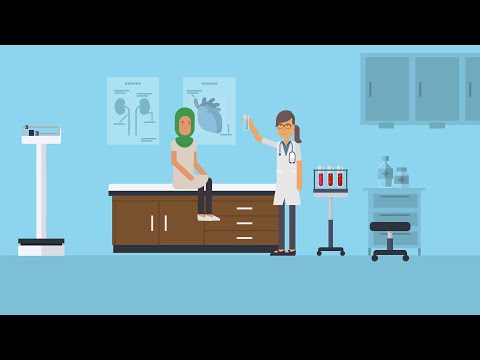
Watch our introduction to having a heart transplant
Getting started
Get information on why you might need a heart transplant and what tests are involved.
Benefits and risks
Learn about how a heart transplant can help, possible complications and warning signs.
Waiting for a heart
Find out receiving a heart, waiting times and the offering process.
At the transplant centre
Find out about getting admitted to hospital, transplant surgery and when you can go home.
Living with a transplant
Discover the best ways to stay mentally and physically healthy after a heart transplant.
Care and support
Find out about support groups and getting help for depression or anxiety.
Heart transplant facts and stats

1979
145



Useful links
External links
Links to charities specific to heart donation and transplantation
Talk to your heart doctor (cardiologist)
If you have any questions about heart transplantation, please speak to your care team who will be able to offer guidance and advice.
NHS Blood and Transplant (NHSBT) and the British Transplantation Society (BTS) update these pages regularly to reflect current UK organ donation and transplantation policies and practice. However, this website is not designed to replace discussions with the transplant teams caring for you. Your transplant team know you and your medical condition best and can give you more detailed information to inform and support your decisions. NHSBT and the BTS do not accept any responsibility or liability for any loss or damage caused to any persons as a result of any reliance placed upon, or decisions made as a result of, information given on this website.