Embolism 

Introduction 

Stroke: an animation

This animation explains how a stroke happens, the different types of stroke and how lifestyle changes may help to reduce the risks.

Types of embolism

Three types of embolism are briefly described below.

Cerebral embolisms - these are caused when a foreign body, usually a blood clot, blocks the blood supply to the brain. Cerebral embolisms are the leading cause of stroke.

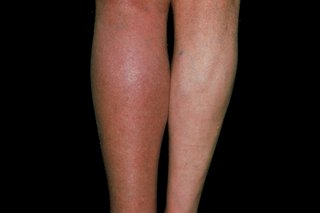
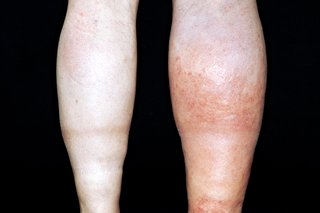
Pulmonary embolisms - these occur when a foreign body blocks the artery that transports blood to the lungs. Many cases are caused by a clot - formed as the result of a condition called deep vein thrombosis - travelling from a leg to the lungs. 

Amniotic fluid embolisms - Amniotic fluid surrounds and protects a baby inside the womb. Very rarely during labour, amniotic fluid can leak out of the womb and into the mother’s blood vessels, blocking them. The mother may then develop breathing problems, a drop in blood pressure and loss of consciousness.

An embolism is a condition in which the blood flow in an artery is blocked by a foreign body, such as a blood clot or an air bubble.

To function properly, the body’s tissues and organs need oxygen, which is transported around the body in the bloodstream. If the blood supply to a major organ - such as the brain, heart or lungs - is blocked, the organ will fail (lose some or all of its function).

Two of the most serious conditions that can be caused by an embolism are:

  • stroke – the supply of blood to the brain is interrupted or completely cut off
  • pulmonary embolism – the blood supply to the lungs is cut off

Embolisms are a common health problem and a major cause of disability and death in the UK and across the world. For example, in England each year it's estimated there are 41,000 pulmonary embolisms and 120,000 strokes caused by embolisms.

What causes an embolism?

A foreign body is any object or substance that shouldn't be present in your blood. Foreign bodies that cause embolisms are known as emboli - a single emboli is called an embolus. Below are some examples of emboli.

Blood clots

Blood contains natural clotting agents that help prevent excessive bleeding when you cut yourself.

Certain health conditions, such as obesity, heart disease, cancer or pregnancy can cause blood clots to form even where there's no bleeding. A clot can travel in the bloodstream before being deposited in an organ or limb.

Fat

A fracture to a long bone, such as a thigh bone, can lead to fat particles within the bone being released into the bloodstream. They can also sometimes develop following severe burns or as a complication of bone surgery.

Air

Embolisms can also occur if air bubbles or other gases enter the bloodstream.

Air embolisms are a particular concern for scuba divers. If a diver swims to the surface too quickly, the change in pressure can cause nitrogen bubbles to develop in their bloodstream. This can cause decompression sickness which is often referred to as ‘the bends’.

See air embolism for more information.

Cholesterol

In people who have extensive atherosclerosis (narrowed arteries due to a build-up of cholesterol), small pieces of cholesterol can sometimes break away from the side of a blood vessel, resulting in an embolism.

Increased risk

Things that can increase your risk of an embolism include:

  • being overweight or obese (having a body mass index of 30 or more)
  • being pregnant
  • being 60 years old or over
  • smoking
  • having heart disease
  • being immobile for long periods of time

Treating embolisms

How an embolism is treated will depend on:

  • what caused the blockage
  • the size of the blockage
  • where in the body the blockage is

A surgical procedure called an embolectomy is sometimes carried out to remove an obstruction. During this operation, the surgeon will make a cut in the affected artery and the foreign body causing the blockage will be sucked out in a process known as aspiration.

Medication may be used to dissolve embolisms (thombolysis) caused by blood clots. Anticoagulant medication, such as warfarin, heparin and low-dose aspirin, can help make the blood less sticky and stop further clots forming.

Embolisms that are caused by air bubbles are usually treated in a hyperbaric chamber. Inside the chamber, the air pressure is higher than the normal air pressure outside, which helps reduce the size of the air bubbles inside the diver’s body. Read more about treating air embolisms.

Prevention

It's not possible to prevent all embolisms, but you can take steps to significantly reduce your risk. These steps include:

  • eating a low-fat, high-fibre diet that includes whole grains and plenty of fresh fruit and vegetables (at least five portions a day) - read more about healthy eating
  • limiting the amount of salt in your diet to no more than 6g (0.2oz or 1 teaspoon) a day - see say no to salt for more information and advice
  • losing weight if you're overweight or obese, using a combination of regular exercise and a calorie-controlled diet - read more about 
  • stopping smoking if you smoke
  • exercising for a minimum of 150 minutes a week - read more about health and fitness

Last reviewed: 22/01/2013

Next review due: 22/01/2015

Ratings

How helpful is this page?

Average rating

Based on 86 ratings

All ratings

Add your rating

'I got DVT from flying'

Mark Pownall developed deep vein thrombosis (DVT) on a long-haul flight from New Orleans to London.

Love your heart

Poor diet, lack of exercise and smoking are the main offenders behind England's alarming number of deaths from heart disease