Conjunctivitis 

Introduction 

Neo-natal conjunctivitis

A more severe type of conjunctivitis that can affect newborn babies younger than 28 days is called neo-natal conjunctivitis.

Neo-natal conjunctivitis can occur if a baby is born to a mother who has a sexually transmitted infection such as chlamydia or gonorrhoea (these don't necessarily cause symptoms, so many mothers are unaware that they're infected).

Most cases of conjunctivitis in babies are not particularly serious. But there is a small possibility of serious complications if it's left untreated.

So if you notice any redness in your baby’s eyes, contact your GP for advice.

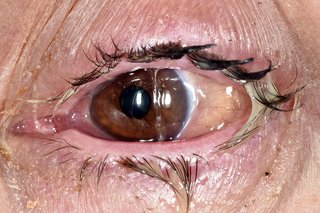
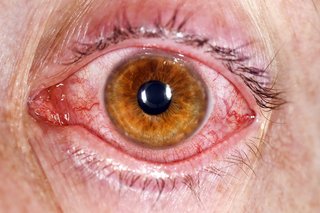
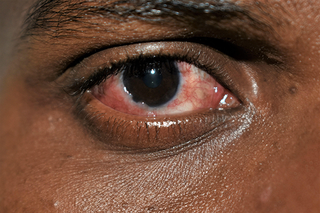
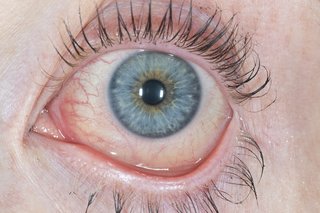
Conjunctivitis is redness and inflammation of the thin layer of tissue that covers the front of the eye (conjunctiva). It is very common.

People often refer to conjunctivitis as red eye.

Other symptoms of conjunctivitis include itchiness and watering of the eyes, and sometimes a sticky coating on the eyelashes (if it's caused by an allergy). Read more about the symptoms of conjunctivitis.

Conjunctivitis can affect one or both eyes.

What causes conjunctivitis?

The conjunctiva can become inflamed as result of:

  • a bacterial or viral infection – this is known as infective conjunctivitis
  • an allergic reaction to a substance such as pollen or dust mites – this is known as allergic conjunctivitis
  • the eye coming into contact with substances that can irritate the conjunctiva, such as chlorinated water or shampoo, or a loose eyelash rubbing against the eye – this is known as irritant conjunctivitis

Read more about the causes of conjunctivitis.

Treating conjunctivitis

Conjunctivitis often doesn't require treatment as the symptoms usually clear up within a couple of weeks. If treatment is thought necessary, the type of treatment will depend on the cause but in most cases antibiotic eye drops can be used to clear the infection.

Irritant conjunctivitis will clear up as soon as whatever is causing it is removed.  

Allergic conjunctivitis can usually be treated with anti-allergy medications such as antihistamines. If possible, avoid the substance that triggered the allergy.

It's best not to wear contact lenses until the symptoms have cleared up. Any sticky or crusty coating on the eyelids or lashes can be cleansed with cotton wool and water.

Washing your hands regularly and avoiding sharing pillows or towels will help prevent it spreading.

Read more about treating conjunctivitis.

See your GP immediately if you have:

  • eye pain
  • sensitivity to light (photophobia)
  • disturbed vision
  • intense redness in one or both of your eyes
  • a newborn baby with conjunctivitis 

Do you need to stay away from work or school?

The Health Protection Agency advises that you do not need to stay away from work or school if you or your child has conjunctivitis, unless you are feeling particularly unwell.

If there are a number of cases of conjunctivitis at one school or nursery, you may be advised to keep your child away from the school until their infection has cleared up.

Complications

Conjunctivitis can be a frustrating condition – especially allergic conjunctivitis – but in most cases it doesn't pose a serious threat to health.

Complications of conjunctivitis are very rare but when they do occur they can be serious, such as:

  • a severe case of allergic conjunctivitis can lead to scarring in the eye
  • in cases of infective conjunctivitis the infection can spread to other areas of the body, triggering more serious secondary infections such as meningitis (an infection of the outer layer of the brain)

Read more about the complications of conjunctivitis.


Last reviewed: 09/03/2012

Next review due: 09/03/2014

Ratings

How helpful is this page?

Average rating

Based on 479 ratings

All ratings

Add your rating

Comments are personal views. Any information they give has not been checked and may not be accurate.

steevmak said on 07 June 2013

In ny opinion it is extremely irresponsible to advise young children to go to school unless there are "a number of cases" at school or nursary. A mini-epidemic of conjunctivitis is started at a school by a single parent who may take their child to school. As conjunctivitis is extremely contagious, the infection will spread quickly, butif it is "nipped in the bud" it will not spread at all.

The Health Protection Agency and the NHS should really review this official policy.

Report this content as offensive or unsuitable

User775723 said on 25 May 2013

I am amazed and shocked to read your following advise in the above page.

''Infective conjunctivitis is easily spread, although it isn't necessary to stay away from work or keep your child away from school.''

So you are advising that it is highly contagious but you would like people to go out and spread it at the work place and also at the school and spread the misery to other healthy individuals.

Are you sure that this is the right advise???

Report this content as offensive or unsuitable

Glaucus said on 07 April 2013

It can be a thorough nuisance, affecting my vision, causing a black eye and make me think I am going blind. Got it again this year; now. A & E said it was a virus last time. Best to wait and see your GP. I still do not know how to treat the symptoms. Paracetamol seems as useful as anything.

Report this content as offensive or unsuitable

mum of toddler said on 21 January 2012

very helpful - my 2 and half year old has a squint and just been diagnosed with infective conjunctivitis and I was worried about her future eye health - this helps a lot.

Report this content as offensive or unsuitable

Eye health

Find out about eye tests, protecting your eyes from injury, contact lens safety and laser eye surgery