

Why we need plasma donors
Plasma makes up around 55% of your blood, and it carries platelets, red blood cells and white blood cells around the body. Plasma contains antibodies, proteins and other substances.
On this page we explain how we use plasma at NHS Blood and Transplant.
Learn more about what plasma is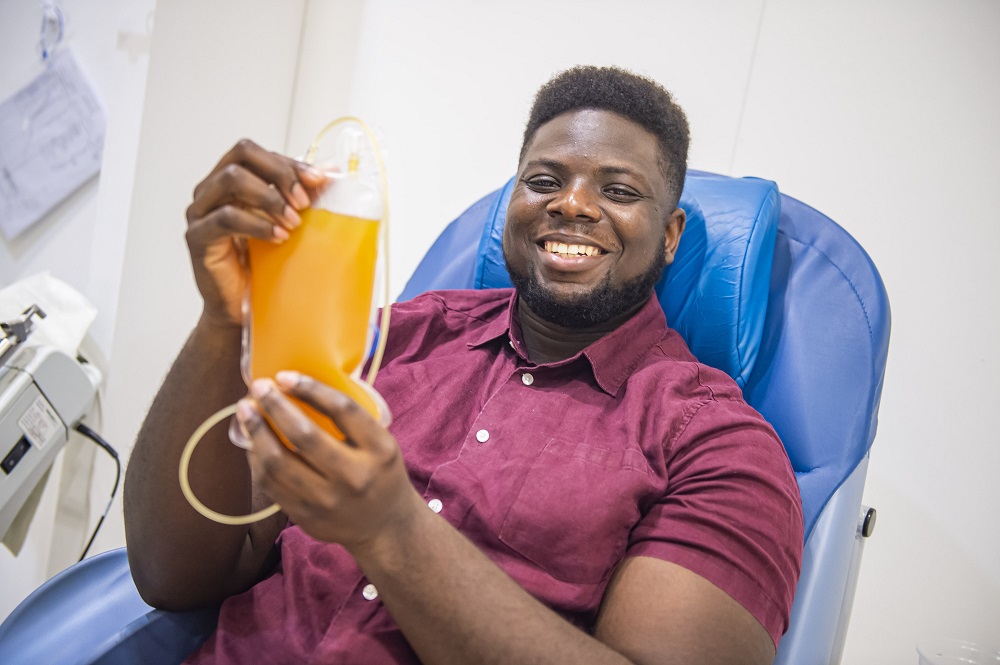
Plasma for medicines
We use plasma donated at our plasma donor centres to make unique, life saving medicines, which can be used to treat over 50 diseases. Often, these medicines are the only treatment option for patients with serious, even life threatening, conditions. Every year 17,000 people in England rely on the medicines made from plasma.
Who plasma medicines help
Plasma contains antibodies called immunoglobulins. These can be made into medicines to treat people whose immune systems aren’t working as they should be. This can be caused by rare genetic conditions, called Primary Immune Disorders.
Immunoglobulin medicines can also treat heart conditions, blood disorders, nervous system disorders and infectious diseases.
It takes about 21 plasma donations to help save the life of a baby with Kawasaki disease, by protecting their heart from complications. It takes 50 plasma donations to save the life of someone with a blood disorder called autoimmune haemolytic anaemia, where their immune system is attacking their blood. It takes 56 plasma donations to help save the life of someone with an acute nervous system disorder called Guillain Barre Syndrome. It takes 124 plasma donations to help save someone's life if they have a bacterial infection called toxic shock syndrome. It can take 130 plasma donations every year to save someone's life if they have a Primary Immune Disorder.
(These figures are based on the average annual plasma requirement for each condition.)
As well as immunoglobulins, plasma also contains a protein called albumin. This protein can be turned into medicines to help treat liver disease, kidney failure, sepsis and major burns.


How we collect plasma for medicines
We collect plasma for medicines at our 3 dedicated plasma donation centres. These are located in Birmingham, Reading and Twickenham.
During a plasma for medicines donation, a small amount of the donor’s blood passes through a machine which separates out the plasma, collects it in a bag and returns the rest of their blood back to them via the same vein. This is repeated a number of times until the correct amount of plasma has been collected.
Learn more about donating plasma for medicines
Plasma for transfusions
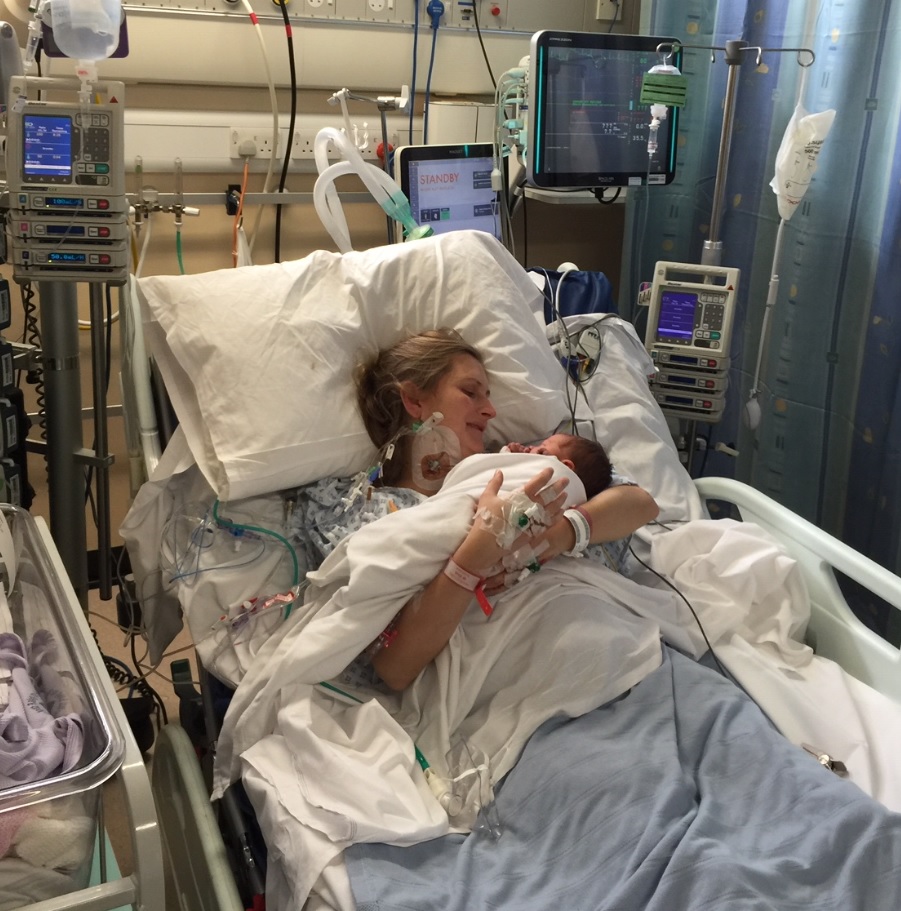 Some plasma can be given to patients as a transfusion. Plasma transfusions can help the blood to clot as it should and are vital for effective treatment of major blood loss, which could be caused by a car crash or complications during childbirth, for example. Plasma transfusions can also be used to treat genetic bleeding disorders.
To be used in this way, plasma is collected, processed and frozen, to create what's called ‘fresh frozen plasma’. It can be distributed to hospitals like this, or processed into an even more concentrated component called cryoprecipitate.
Keri Anglin (pictured) received 22 units of blood, 16 units of fresh frozen plasma, two units of cryoprecipitate and two units of platelets, to treat a massive bleed after giving birth.
Some plasma is also used in medical diagnostic kits. These kits can test for illnesses such as infectious diseases, liver disease and blood cancer.
We collect plasma for transfusions and diagnostic testing by separating it from whole blood donations, at our blood processing laboratory.
We also separate and collect plasma during platelet donations. As the donor’s blood passes through the machine which separates out the platelets, it also separates the plasma and collects it in a bag. The rest of the donor's blood is returned back to them.