Oral thrush is usually harmless. It's common in babies and older people with dentures. It can be easily treated with medicines bought from a pharmacy.
Check if it's oral thrush
Adults
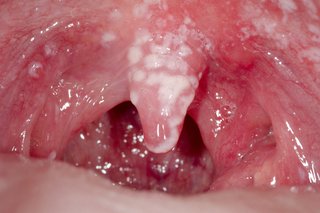
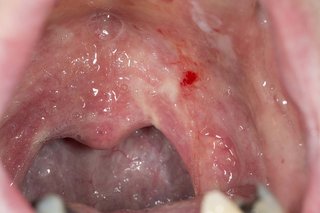
Other symptoms in adults are:
- cracks at the corners of the mouth
- not tasting things properly
- an unpleasant taste in the mouth
- pain inside the mouth (for example, a sore tongue or sore gums)
- difficulty eating and drinking
Oral thrush in adults is not contagious.
Babies
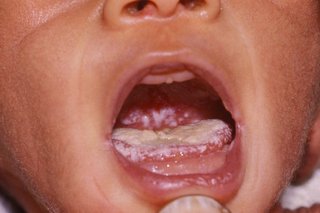
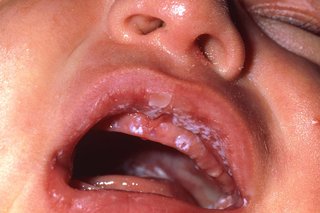
Babies with oral thrush may not want to feed.
Babies can pass oral thrush on through breastfeeding. This can cause nipple thrush in mothers.
If you're not sure it's oral thrush
Look at other causes of a white or sore tongue.
A pharmacist can help with oral thrush
Oral thrush can be easily treated with a mouth gel bought from a pharmacy. The gel is suitable for adults, children and babies over the age of 4 months.
Ask your pharmacist for advice. Always follow the instructions on the medicine packet.
If you leave oral thrush untreated, the infection can spread to other parts of the body.
Important: Mouth gel shortage
There are currently supply problems with the mouth gel used to treat oral thrush (miconazole, Daktarin Oral Gel). Talk to a pharmacist or doctor about other treatments that may help.
Non-urgent advice: See a GP if:
- your baby is under 4 months and has signs of oral thrush
- you have oral thrush and do not see any improvement after 1 week of treatment with a mouth gel
- you have difficulty or pain when swallowing
How you can prevent oral thrush
Oral thrush is an infection caused by a fungus called Candida. Some things can make the fungus grow more than usual.
You might get thrush if you're:
- taking antibiotics over a long time
- using asthma inhalers
- having cancer treatment like chemotherapy
There are some things you can do to help prevent oral thrush.
Do
-
take care of your teeth: brush twice a day, clean your dentures, and go for regular check-ups even if you have dentures
-
brush your gums and tongue with a soft toothbrush if you do not have any teeth
-
rinse your mouth after eating or taking medicine
-
go to regular check-ups if you have a long-term condition like diabetes
-
sterilise dummies regularly
-
sterilise bottles after each use
Don’t
-
do not wear dentures at night
-
do not keep wearing dentures if they do not fit properly – see your dentist
-
do not smoke
Page last reviewed: 05 June 2023
Next review due: 05 June 2026