Molluscum contagiosum is an infection that causes spots on the skin. It's usually harmless and rarely needs treatment.
Check if it's molluscum contagiosum
Molluscum contagiosum is more common in children, but anyone can get it.
Usually, the only symptom of molluscum contagiosum is spots.
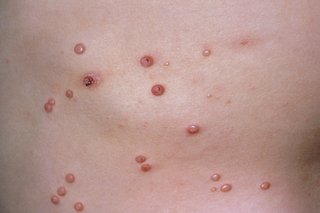
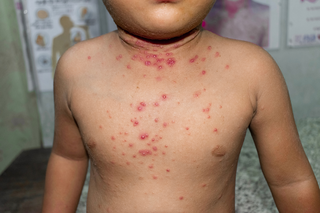
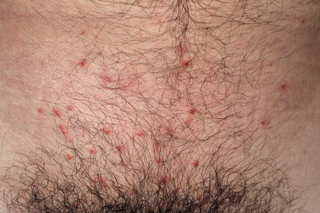
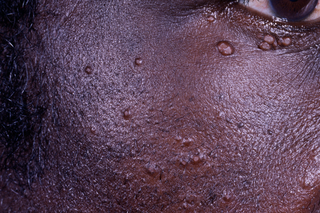
If you're not sure it's molluscum contagiosum
Check other rashes in babies and children.
How to look after yourself or your child
The spots caused by molluscum contagiosum are usually harmless and should clear up within 18 months without needing treatment.
Molluscum contagiosum is contagious. It is usually passed on by direct skin to skin contact.
The chance of passing it on to other people during normal activities is small so you or your child should be able to carry on with your normal activities. If you are not sure, check with a GP.
There are some things you can do to help reduce the risk of the infection spreading and help ease any symptoms.
Do
-
try things to help with dryness and itchy skin, such as holding a damp towel against the skin, having cool baths or using an unperfumed moisturiser regularly
-
keep the affected area covered, including using waterproof bandages if you go swimming
-
use a condom while having sex if you are infected
Don’t
-
do not squeeze or scratch the spots, as it could cause an infection or scarring
-
do not share baths or things such as towels, bedding or clothes
Non-urgent advice: See a GP if:
- you are not sure your spots are caused by molluscum contagiosum
- the spots are very itchy, painful, swollen or covered with crusts
- you have spots near your eyes
Treating molluscum contagiosum
It's rare to need treatment for molluscum contagiosum because it usually clears up on its own.
But treatment may be recommended if the spots are causing problems.
For example, a GP may suggest:
- antibiotics if your spots become infected
- steroid cream to treat skin that's itchy, dry or sore (like an eczema rash)
A GP may refer you to a specialist for tests and treatment if:
- you have lots of spots or the spots are having a big impact on your life
- you have spots near your eyelids or eyes
- you have a weakened immune system – for example, if you’re having chemotherapy or have HIV
Page last reviewed: 10 October 2022
Next review due: 10 October 2025