Important information about swine flu

Read the latest official advice to help protect yourself, your family and others.

Last updated 9:16 AM Friday 20 November 2009

About the NHS

NHS structure

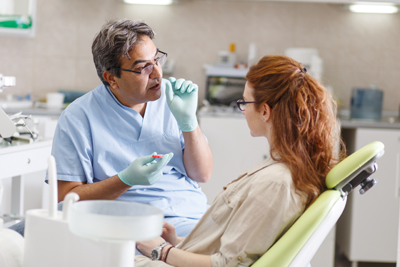
As can be seen on the diagram below the NHS is divided into two sections: primary and secondary care. Primary care is generally regarded as a “frontline” service. It is the first point of contact for most people and is delivered by a wide range of independent contractors such as GPs, dentists, pharmacists and optometrists.

How the NHS Works clickable diagram GP Surgeries / Doctors' NHS Walk-in Centres NHS Direct Emergency and Urgent Care Ambulance Trusts NHS Trusts Dentists Opticians Pharmacists Mental Health Trusts Care Trusts Choice Department of Health Primary Care Trusts Strategic Health Authorities

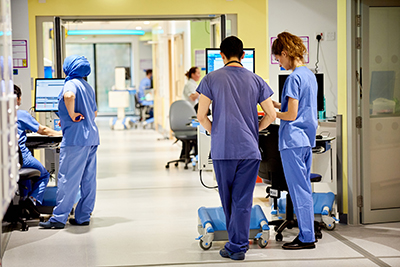
  • Secondary care is known as acute health care and can be either elective care or emergency care. Elective care means planned specialist medical care or surgery, usually following referral from a primary or community health professional such as a GP.
  • Primary Care Trusts (PCTs) are in charge of primary care and have a major role around commissioning secondary care, providing community care services. They are now at the centre of the NHS and control 80% of the NHS budget. As they are local organisations, they are best positioned to understand the needs of their community, so they can make sure that the organisations providing health and social care services are working effectively. The PCTs oversee 29,000 GPs and 18,000 NHS dentists.
  • There are 175 acute NHS trusts and 60 mental health NHS trusts which oversee 1,600 NHS hospitals and specialist care centres. Foundation trusts are a new type of NHS hospital of which are currently 115 available across England.
  • Emergency vehicles are provided by the NHS ambulance services trusts. There are 11 ambulance trusts in England. The Scottish, Welsh and Northern Ireland ambulance services provide cover for those countries.
  • NHS care trusts provide care in both health and social fields. There are few care trusts and they are based mainly in England. There are none in Scotland and the Scottish NHS has no plans to introduce them.
  • NHS mental health services trusts provide mental health care in England and are overseen by the PCT.

Last reviewed: 20/02/2009

Next review due: 20/02/2011

What are these?

Other parts of the UK

For information on the health service in other parts of the UK, please visit

the NHS in Northern Ireland,

the NHS in Scotland

or the NHS in Wales.

The Isle of Man and the Channel Islands have their own independent health service structures. For more information, please visit

the Isle of Man Government,

States of Guernsey Government and

States of Jersey Government