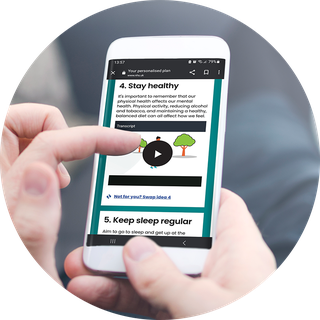
Quit smoking
When you quit smoking, good things start to happen — you can begin to see almost immediate improvements to your health.
It’s never too late to quit and it's easier to stop smoking with the right support. Check out our free tools and tips to help you stay on track.
Never give up giving up!

What is the Smokefree Generation?
The Government is introducing changes to effectively phase out cigarettes and tobacco for good. Find out more about the proposals and how they might affect you.
Ways to quit
Many people try to quit smoking with willpower alone, but it's much easier to go smoke-free with the right help.
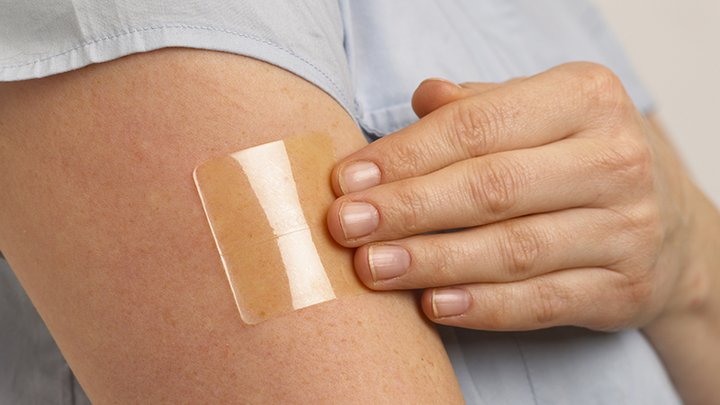
There are lots of support options available to help you on your quitting journey. You might want to consider the cost of different aids and the side effects. If you've tried to quit before, think about what methods worked for you and what you might want to do differently.
The key is not to give up, try different combinations until you find the one that works for you.


How to help someone quit smoking
Research shows smokers who have someone to help them quit are more likely to succeed. Find out how you can help.
What happens when you quit?
The sooner you quit, the sooner you'll notice changes to your body and health. Look at what happens when you quit for good.

After 20 minutes
Check your pulse rate, it will already be starting to return to normal.
After 8 hours
Your oxygen levels are recovering, and the harmful carbon monoxide level in your blood will have reduced by half.
After 48 hours
All carbon monoxide is flushed out. Your lungs are clearing out mucus and your senses of taste and smell are improving.
After 72 hours
If you notice that breathing feels easier, it's because your bronchial tubes have started to relax. Also your energy will be increasing.
After 2 to 12 weeks
Blood will be pumping through to your heart and muscles much better because your circulation will have improved.
After 3 to 9 months
Any coughs, wheezing or breathing problems will be improving as your lung function increases by up to 10%.

After 1 year
Great news! Your risk of heart attack will have halved compared with a smoker's.

After 10 years
More great news! Your risk of death from lung cancer will have halved compared with a smoker's.
Why quit?

Benefits of quitting smoking
Quitting smoking improves your physical health – and boosts your mental health and wellbeing after as little as 6 weeks of being smoke-free. You'll benefit in so many ways. Your loved ones will benefit too.
Quitting tips
You have made a great decision to give up smoking. Here are some tips to help you succeed.
Once you have picked your quit date, remember to add it to your calendar.
- List your reasons to quit.
- Tell people you're quitting.
- If you have tried to quit before, remember what worked.
- Use stop smoking aids.
- Have a plan if you are tempted to smoke.
- List your smoking triggers and how to avoid them.
- Keep cravings at bay by keeping busy.
- Exercise away the urge.
- Join the Facebook group for support and advice.
Good luck. Throw away all your cigarettes before you start. Remember, there is never "just 1 cigarette". You can do it!
Get your free personal quit plan
Answer 3 easy questions to find the combination of support that's right for you to get your free personal quit plan.
Vaping: what you need to know
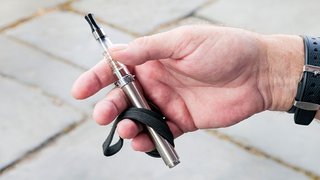
Vaping myths and the facts
There are lots of misconceptions about vaping. Here are some of the most common myths, and the facts based on scientific evidence and data.
Download the free NHS Quit Smoking app
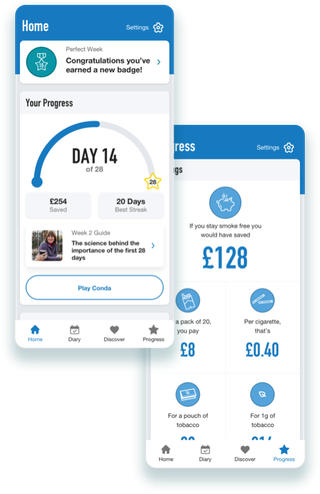
Use the NHS Quit Smoking app to help you quit smoking and start breathing easier.
The app allows you to:
- track your progress
- see how much you're saving
- get daily support
If you can make it to 28 days smoke-free, you're 5 times more likely to quit for good!


Does smoking affect my blood pressure?
If you smoke, you might be more at risk of having high blood pressure. If left untreated, high blood pressure can increase your risk of a heart attack or stroke.
High blood pressure does not usually have any symptoms, so the only way to know if you have it, is to get a check. If you are 40 or over, live in England and haven’t had a check in the last 6 months, you can get your blood pressure checked for free at your pharmacy today.
If your blood pressure is high, then it can be managed through lifestyle changes or medication.

Get daily email support
If you would like some extra support, you can sign up for 28 days of stop smoking advice and tips – delivered straight to your inbox.
Find your online community
You do not have to do it alone – join others going through the same thing in a friendly and supportive environment.
Want to talk to someone?
Call the free National Smokefree Helpline on 0300 123 1044 (England only). Talk to a trained adviser for advice and support.
Monday to Friday: 9am to 8pm
Saturday and Sunday: 11am to 4pm


Take care of your mind
Your mental wellbeing is just as important as your physical health.
Answer 5 quick questions to get your free mind plan from Every Mind Matters – including tips to help you deal with stress and anxiety, improve your sleep, boost your mood and feel more in control.