Lose weight
If you're overweight, losing weight has many health benefits. It might help reduce the risk of developing health conditions such as high blood pressure, heart disease and type 2 diabetes.
Making small, simple changes to what and how much you are eating and drinking can really help you lose the pounds.
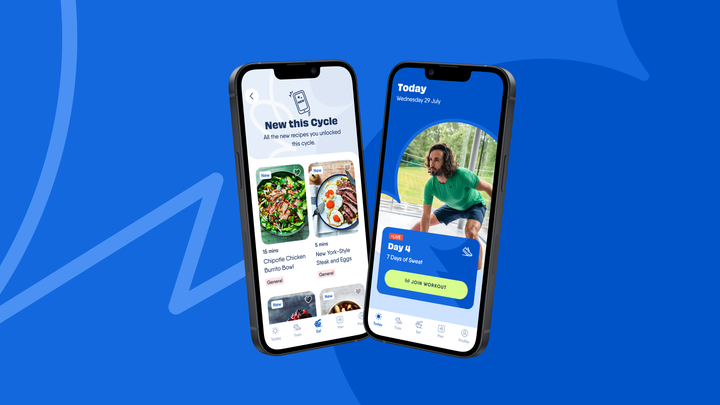
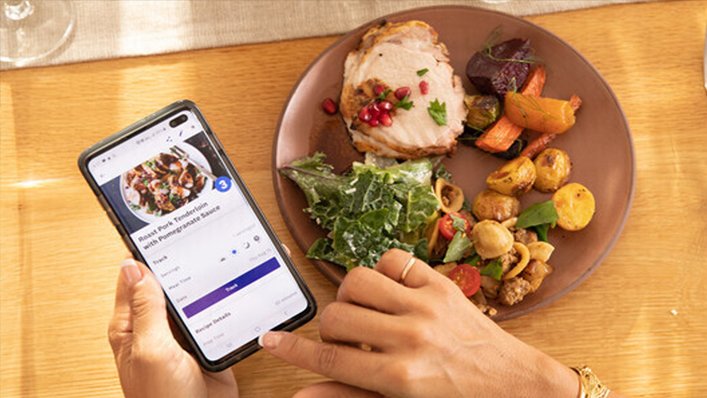
Download the free NHS Weight Loss Plan
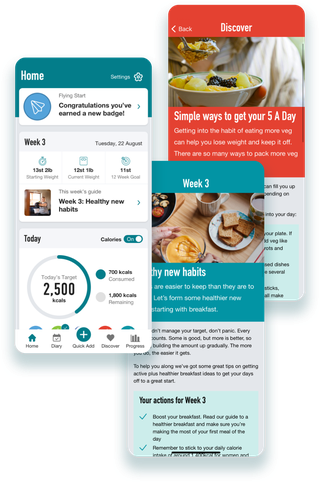
Download the free NHS Weight Loss Plan to help you start healthier eating habits, be more active, and start losing weight.
The plan is broken down into 12 weeks so you can:
- set weight loss goals
- plan your meals
- make healthier food choices
- get more active and burn more calories
- record your activity and progress
Don't worry, the app makes it easy for you – just take it one week at a time. Let's make "one day" today!


Advice and tools to get you started
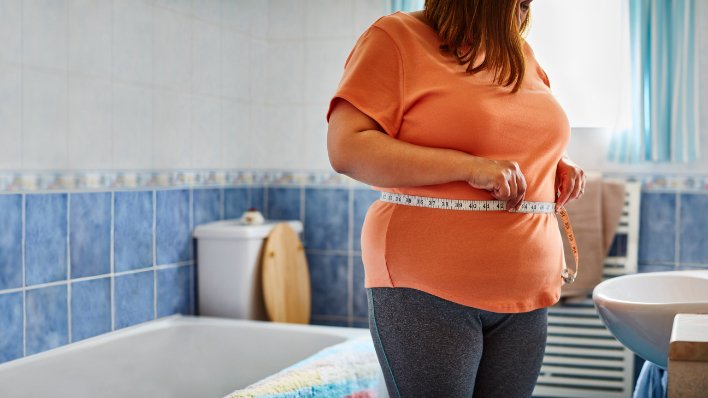
Free weight-loss programmes
There is lots of help and support available to lose weight. Get going with these free health programmes.

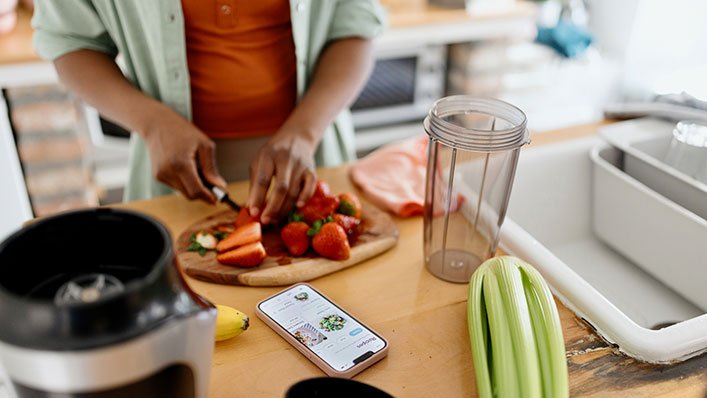
Weight loss plans
You may prefer using one of these weight loss plans. We have teamed up with these partners to create special offers for you.



Why should I lose weight?
Gaining weight is often a gradual process – it happens over the years as a result of modern-day life and the odd unhealthy habit.
Extra weight causes fat to build up around vital organs, making it harder for the body to fight against diseases like cancer, heart disease and now COVID-19.
If you are overweight or living with obesity, lowering your weight can help reduce your risk of developing serious diseases.
You can learn more about obesity and get support from Obesity UK, the leading charity dedicated to supporting people living with obesity.
Can my weight affect my blood pressure?
If you are overweight, you might be more at risk of having high blood pressure. If left untreated, high blood pressure can increase your risk of a heart attack or stroke.
High blood pressure does not usually have any symptoms, so the only way to know if you have it, is to get a check. If you are 40 or over, live in England and haven’t had a check in the last 6 months, you can get your blood pressure checked for free at your pharmacy today.
If your blood pressure is high, then it can be managed through lifestyle changes or medication.

Type 2 diabetes
Type 2 diabetes causes the level of sugar in the blood to become too high.
It can lead to serious complications such as sight loss, kidney failure, heart attack and stroke. You can reduce your risk by eating more healthily, losing weight and being more physically active.
You may be at a higher risk if you:
- carry extra weight, especially around your middle
- are from South Asian, African-Caribbean or Black African descent
- have a parent, brother, sister or child with type 2 diabetes
To find out if you’re at risk of type 2 diabetes, take a couple of minutes to check your risk score.
If you have been diagnosed with type 2 diabetes - get free NHS support online to help you achieve and maintain a healthy weight.
Healthy eating
Tips and advice on healthy eating and managing your weight.
Our healthy recipe of the month

Did you know?
Small changes (like swapping sugary drinks for water or ditching sugar from your tea) can make a big difference in the long term.
Get active
Being healthier is not just about what you eat – it's also about regular physical activity. Even 10 minutes a day counts!
Check out our tools and tips on weaving exercise into your daily routine.
Did you know?
Veggies keep you full for longer. They are low in calories and high in fibre – they make great snacks too.
Take care of your mind too
Your mental wellbeing is just as important as your physical health.
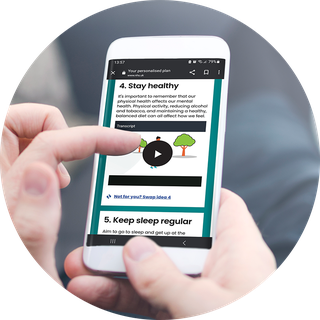
Answer 5 quick questions to get your free mind plan from Every Mind Matters – including tips to help you deal with stress and anxiety, improve your sleep, boost your mood and feel more in control.
Dietary advice
Better Health cannot provide individual dietary advice. If you or someone you care for has special dietary requirements, medical needs or an eating disorder, please seek advice from a registered healthcare professional. If you would like more information on eating disorders, Beat has lots of useful advice for adults and children.