Ainsley Harriott’s cooking tips

Tuck into these super simple tips for planning and cooking your Supermeals.

Plan, plan and plan!

If you plan your meals in advance, you’re less likely to eat snacks and convenience food - and more likely to save money and eat healthily. Plus you’ll be able to look forward to your meals more too!

Make a shopping list

Think about the meals you want to cook over the week and make a shopping list based on the ingredients for each meal – that way you’re more likely to stick to it in the supermarket and avoid filling your trolley with things you don’t need.

Healthier swaps

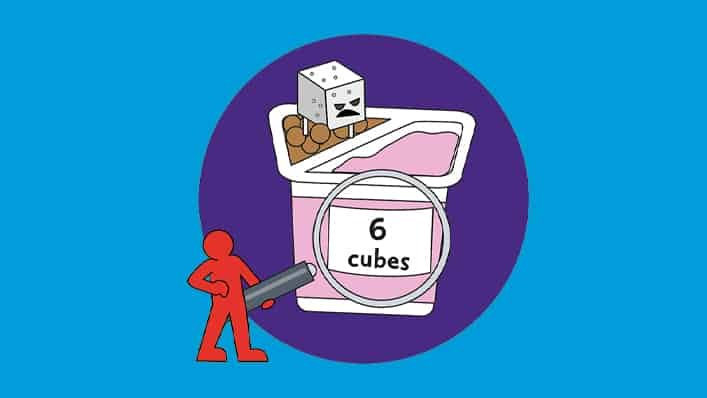
When you’re in the supermarket, look at the labels and try to swap to healthier versions which are lower in salt, fat and sugar.

Recycle leftovers

When making dinner, why not use any leftovers for lunch the next day or put it in the freezer. That way you can have a healthy lunch waiting for you, or the next time you’re pressed for time and need a quick meal, there’ll be something ready in the freezer.

Ditch the takeaway

Cutting back on takeaways could save you up to £800 a year and inches off your waist! You can rustle up quick meals at home such as curries and sweet and sour dishes - and they’re easier to make than you’d think.

Simmering and boiling

Sometimes the terms simmering and boiling can be a bit confusing – but they are slightly different. When something is simmering it’s just under boiling temperature, small bubbles will slowly come to the surface now and then. When something is boiling it’s hotter with bigger bubbles coming up fast and a lot of steam rises up quickly. When heating something like a soup or baked beans, you’ll want to slowly simmer it but when cooking pasta, it’s best to boil it.

Chopping an onion

It doesn’t matter what your onion looks like once you’ve chopped it up, so don’t worry too much about the size of the pieces. A good place to start though is to cut the peeled onion in half, then place each half flat side down on a chopping board. For small pieces cut the onion in half horizontally once, then chop down vertically. For bigger pieces, or strips of onion, just chop straight down.

Using herbs and spices

One way to add big flavour to your foods without adding extra fat or salt is to use herbs or spices. Dry versions keep for ages in the cupboards so it’s worth stocking up on a few key ones. Don’t forget some fresh herbs like parsley or coriander can be frozen and if you freeze ginger, it makes it much easier to grate into food. Sage is great with pork, rosemary with lamb, and mixed herbs are great for tomato sauces.

How hot should you go?

You don’t always need to have the heat on the highest setting when you’re cooking. Turn the gas or hob down to low when you’re softening vegetables like onions and go higher when you’re boiling pasta or veg, or just want to cook something quickly on each side.

Use the freezer

Frozen veg is just as good for you as fresh, so stock up when you’re in the supermarket and it’ll always be on hand to use. You can use it as more than just a side dish too – adding things like peas or sweetcorn into the saucepan you’re boiling pasta in for the last few minutes of its cooking time is a really easy way to include them in your meal. Or you could boil frozen peas in low salt stock and some other veg and blend to make a soup.

Keep it in the cupboard

Keeping pulses such as butter beans and chick peas in the cupboard means you’ll always have the basics for a tasty meal, add them to anything like chilli or shepherd’s pie for some extra flavour and fibre. Cans of tomatoes, tins of tuna and tinned vegetables are also really useful to have, and it’s always worth stocking up on rice and pasta so that they’re there when you need them.

Cooking pasta

Measure out your pasta before you cook it so you don’t end up eating too large a portion or wasting it. Generally pasta doubles in size once it’s cooked so put half the amount you want to finish with in the pan. Cook it according to the instructions with plenty of water.

What do you need?

You don’t need much to get started in the kitchen. A saucepan, frying pan, oven dish, baking tray, chopping board, sharp knife, spatula and colander will cover everything you need. You can get most of these cheaply too.