Easy ways to eat well and move more
Make a change today! Discover healthy recipes, food swaps, nutritional advice, and top tips and activities to help the whole family stay healthy.
Let's move together!

Activities to help kids move more every day
Get your family moving the fun way! Discover easy ideas to help kids stay active, healthy and confident.

Not sure where to start? Take the sports and activities quiz!
Answer 3 quick questions to discover the perfect sports, activities and a Disney game tailored to your child's interests.
Take your family's first step

Sign up for Healthy Steps emails
When it comes to eating well and being active, taking one small step after another can soon add up to make a big difference. Join today and get loads of easy tips, tasty recipes on a budget and much more straight to your inbox.
Ideas to eat well

Healthier food swaps
See simple food swap ideas to help cut down on sugar, salt and fat in your and your family's diet – plus easy ways to make a swap when you next shop.
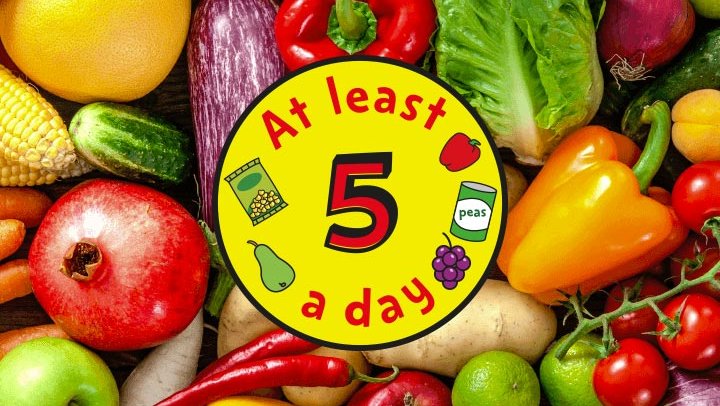
5 A Day
All you need to know about 5 A Day for the whole family, including what counts, portion sizes and easy recipes.

Healthy snacks
Learn how to snack smart with these quick and easy ideas.
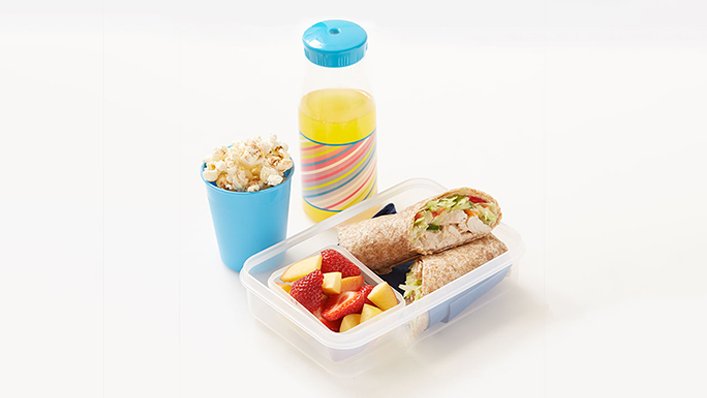
A little lunchbox inspiration
Hints and tips for healthier packed lunches, as well as lots of easy-to-prepare recipes your kids will love.
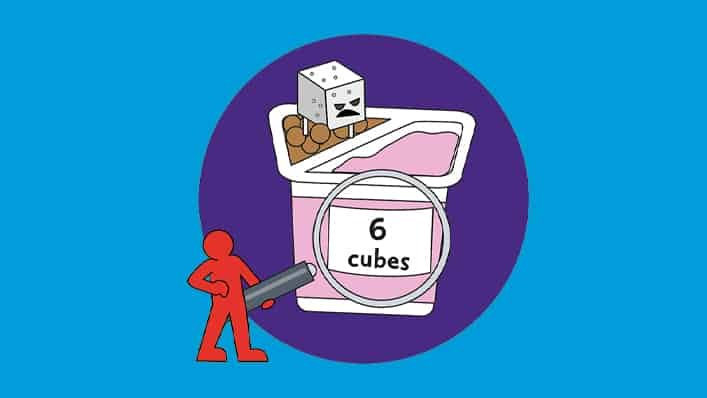
Sugar calculator
It's so easy for sugar to add up throughout the day. Here's a simple way to check how much there may be in your kids' favourite treats.
Keep an eye on your vitamin D
To keep bones and muscles healthy, everyone should consider taking a daily vitamin D supplement in autumn and winter, when we cannot make enough vitamin D from sunlight.
And some people should take them all year round, including children up to the age of 4 and people who are at risk of not getting enough vitamin D.
Just 10 micrograms a day is all you need – it's the same for kids and grown-ups.

Get the free NHS Food Scanner app
Start finding healthier swaps today!


Help us improve this page!
Was this content helpful? Answer a few quick questions to help us make it better.